Short notes on nourishment.
Evidence-based reflections on hormones, gut health, fertility, behaviour change and the real-life practice of feeling better.
All articles
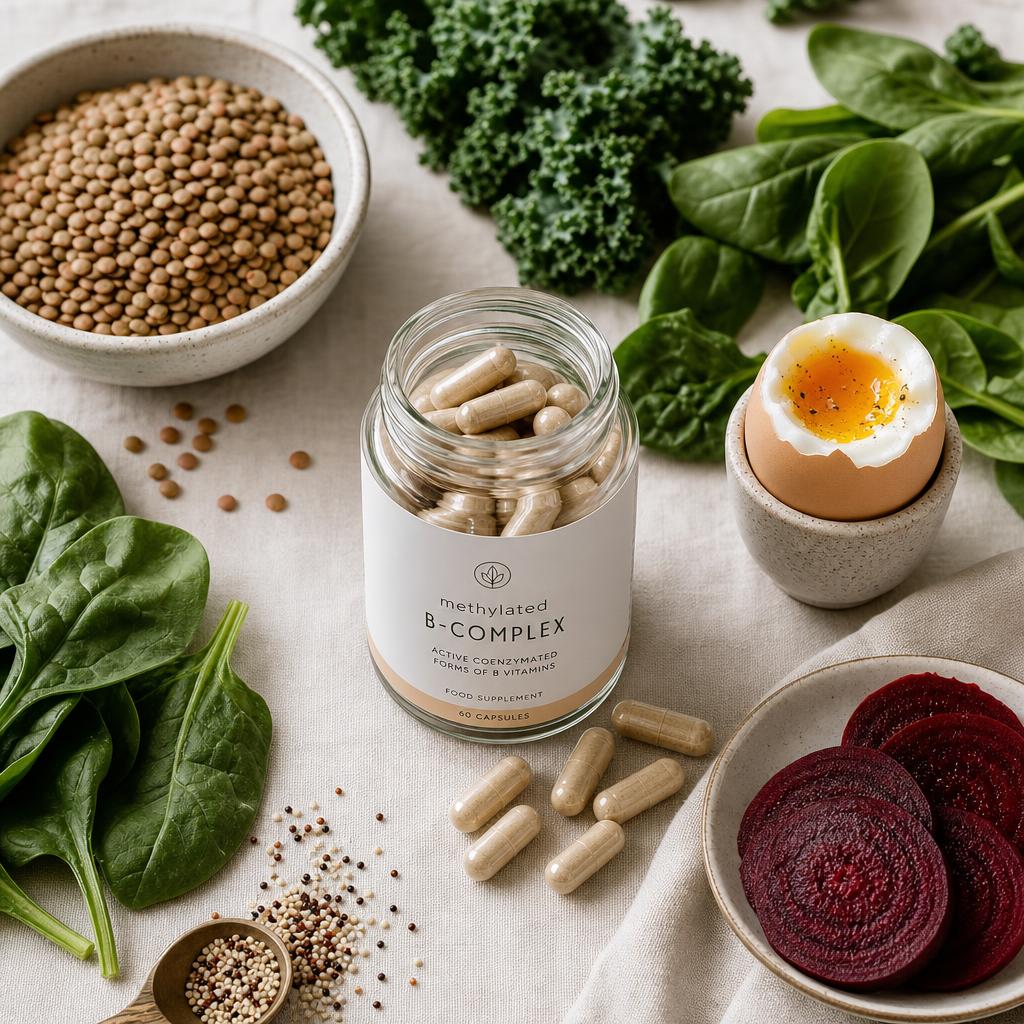
Methylation, methylated vitamins, and who actually needs them
Methylation is the quiet biochemical process that runs your hormones, detox pathways, mood and cardiovascular risk. But methylated vitamins are not the right choice for everyone — and for some people they can make things worse.
Read: Methylation, methylated vitamins, and who actually needs them →
The endometriosis diet: what actually helps, from someone who lives with it
There is no single endometriosis diet — but there is a well-researched way of eating that lowers inflammation, supports oestrogen clearance and calms the gut. Here's the full framework I use with clients, and on myself.
Read: The endometriosis diet: what actually helps, from someone who lives with it →
Can you remineralise your bones? Yes — but not with calcium alone
Bone is living tissue, not porcelain. Here is how nutrition, weight-bearing movement and the right medical support can rebuild bone mineral density — for women through perimenopause and for men as testosterone and load decline.
Read: Can you remineralise your bones? Yes — but not with calcium alone →
Does having a hysterectomy help endometriosis? An honest answer
A hysterectomy can be life-changing for the right person — and completely disappointing for the wrong one. Here is what the research actually shows about hysterectomy, endometriosis and adenomyosis, and the questions to ask before you consent.
Read: Does having a hysterectomy help endometriosis? An honest answer →
Love heals too: the part of the prescription nobody writes down
Nobody handed me a prescription for love. But living with endometriosis through a divorce — and then being diagnosed with dysautonomia — taught me that the relationships around me, and the one I had with myself, were doing as much to my nervous system as any supplement ever did.
Read: Love heals too: the part of the prescription nobody writes down →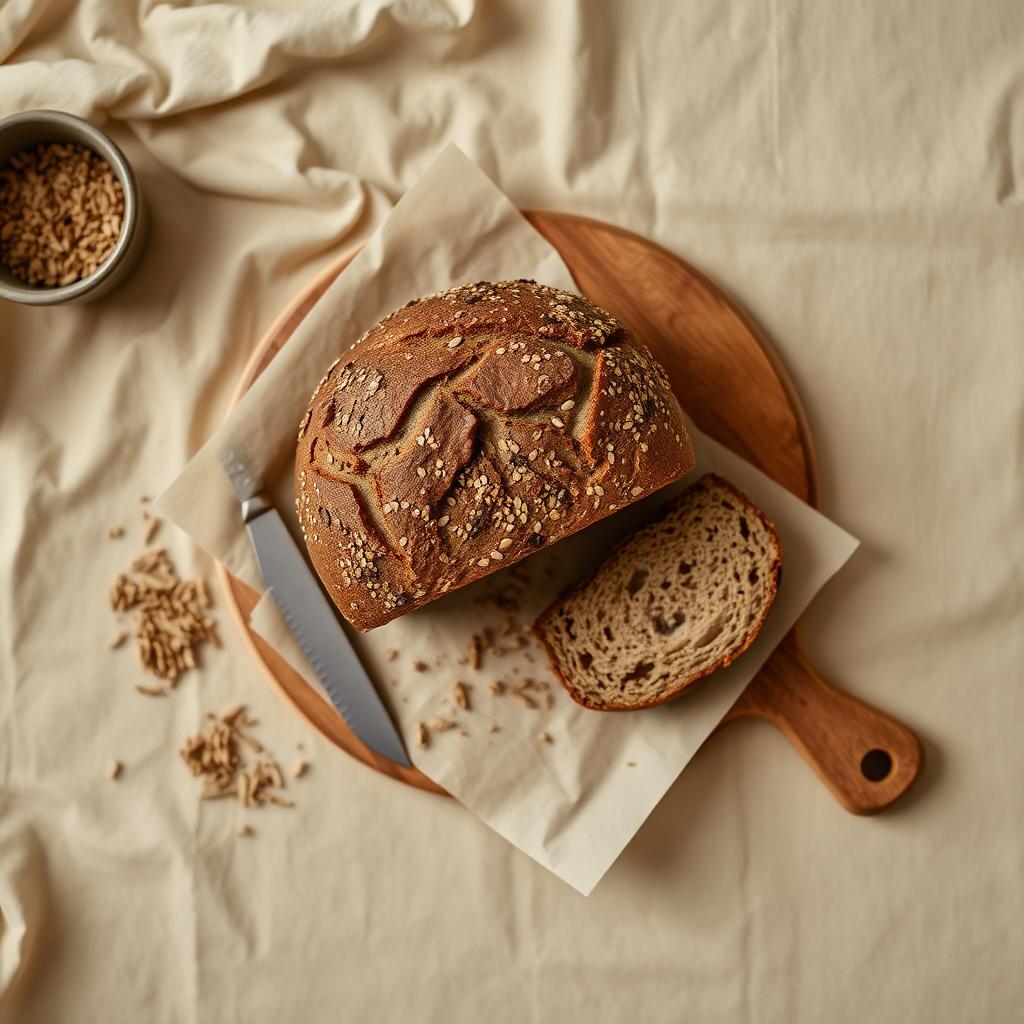
The 'wholewheat' bread that isn't: what's actually in your Woolworths loaf
I turned over a loaf of Woolworths Tante Anna Wholewheat Brown Bread and the first ingredient wasn't wholewheat — it was white flour. Wholewheat came in sixth, at 6%. Here's what the ingredient panels on the sliced-bread shelf actually say, and how to read past the front of the pack.
Read: The 'wholewheat' bread that isn't: what's actually in your Woolworths loaf →
L-theanine, the new meta-analysis, and why I keep it in my handbag
A brand-new Molecular Psychiatry meta-analysis of 31 randomised trials confirms L-theanine sharpens attention, may lift low mood after a single dose, and is remarkably safe. Here's what the paper actually shows — and why I personally keep it on me for dysautonomia-driven anxiety and take it from ovulation to my period to smooth out PMS.
Read: L-theanine, the new meta-analysis, and why I keep it in my handbag →
Coming off the pill: what the new cortisol research means for your stress response
A new study in The Journal of Clinical Endocrinology & Metabolism shows total cortisol and cortisol-binding globulin normalise within about 4 weeks of stopping the combined pill. Here's what that actually means for your stress response, mood and recovery — and how to support your body through the transition.
Read: Coming off the pill: what the new cortisol research means for your stress response →
Autoimmune disease isn't random: the 5 root causes driving it — and what the new endometriosis research says about immune dysfunction
Autoimmune conditions are usually treated as lifelong and unlucky. The functional medicine view — and a growing body of research on endometriosis specifically — tells a different story: your immune system is responding to cumulative inputs. Here are the 5 drivers, and what to do about them.
Read: Autoimmune disease isn't random: the 5 root causes driving it — and what the new endometriosis research says about immune dysfunction →
The truth about caffeine: when it’s working for you, and when it’s working against you
Caffeine is one of the most studied molecules on the planet — and one of the most misunderstood. Here’s how to tell whether your coffee habit is fuelling you or quietly draining you.
Read: The truth about caffeine: when it’s working for you, and when it’s working against you →
Behaviour change for chronic illness: pacing, flares and being kind to a body that's already working hard
Conventional habit advice assumes a body that performs consistently. For those of us living with endometriosis, autoimmunity or fatigue conditions, the rules need rewriting from the ground up.
Read: Behaviour change for chronic illness: pacing, flares and being kind to a body that's already working hard →
Tracking vs. intuition: when food journals help, when they harm, and how to choose
Food tracking is one of the most evidence-backed behaviour-change tools we have — and one of the most easily weaponised against your own nervous system. Here's the honest middle ground.
Read: Tracking vs. intuition: when food journals help, when they harm, and how to choose →
Your kitchen layout is doing more of the work than your willpower: choice architecture at home
Why the fruit bowl beats the to-do list — and the small environment shifts that quietly change what you eat all week.
Read: Your kitchen layout is doing more of the work than your willpower: choice architecture at home →
Identity-based eating: shifting from 'I'm trying to eat better' to 'I'm someone who…'
The behaviour-change frame that makes healthy choices feel like coming home instead of climbing a hill.
Read: Identity-based eating: shifting from 'I'm trying to eat better' to 'I'm someone who…' →
How to recover from a 'ruined' week: the all-or-nothing trap and the get-back-on-track protocol
One off-plan weekend doesn't undo months of work — but the story you tell yourself about it can. Here's the behaviour-change exit ramp.
Read: How to recover from a 'ruined' week: the all-or-nothing trap and the get-back-on-track protocol →
The two-minute rule for nutrition: shrinking habits until they're impossible to skip
The behaviour-change principle that turns 'eat more vegetables' into something so small your tired self can't argue with it.
Read: The two-minute rule for nutrition: shrinking habits until they're impossible to skip →
Why willpower fails after 3pm: decision fatigue, blood sugar and the environment fix
The afternoon crash isn't a character flaw. It's predictable physiology — and it responds to design changes far more reliably than to discipline.
Read: Why willpower fails after 3pm: decision fatigue, blood sugar and the environment fix →
Habit stacking for busy mornings: how to anchor nutrition wins to what you already do
The behaviour-change technique that turns morning coffee into a vehicle for hydration, protein and a calmer nervous system — without adding anything to the to-do list.
Read: Habit stacking for busy mornings: how to anchor nutrition wins to what you already do →
Gua sha for face and body: a functional medicine take on lymph, fascia and the daily ritual
Why this 2,000-year-old practice earns its place in a modern routine — how to prep, which tool to choose, and how it compares to dry body brushing for lymphatic flow.
Read: Gua sha for face and body: a functional medicine take on lymph, fascia and the daily ritual →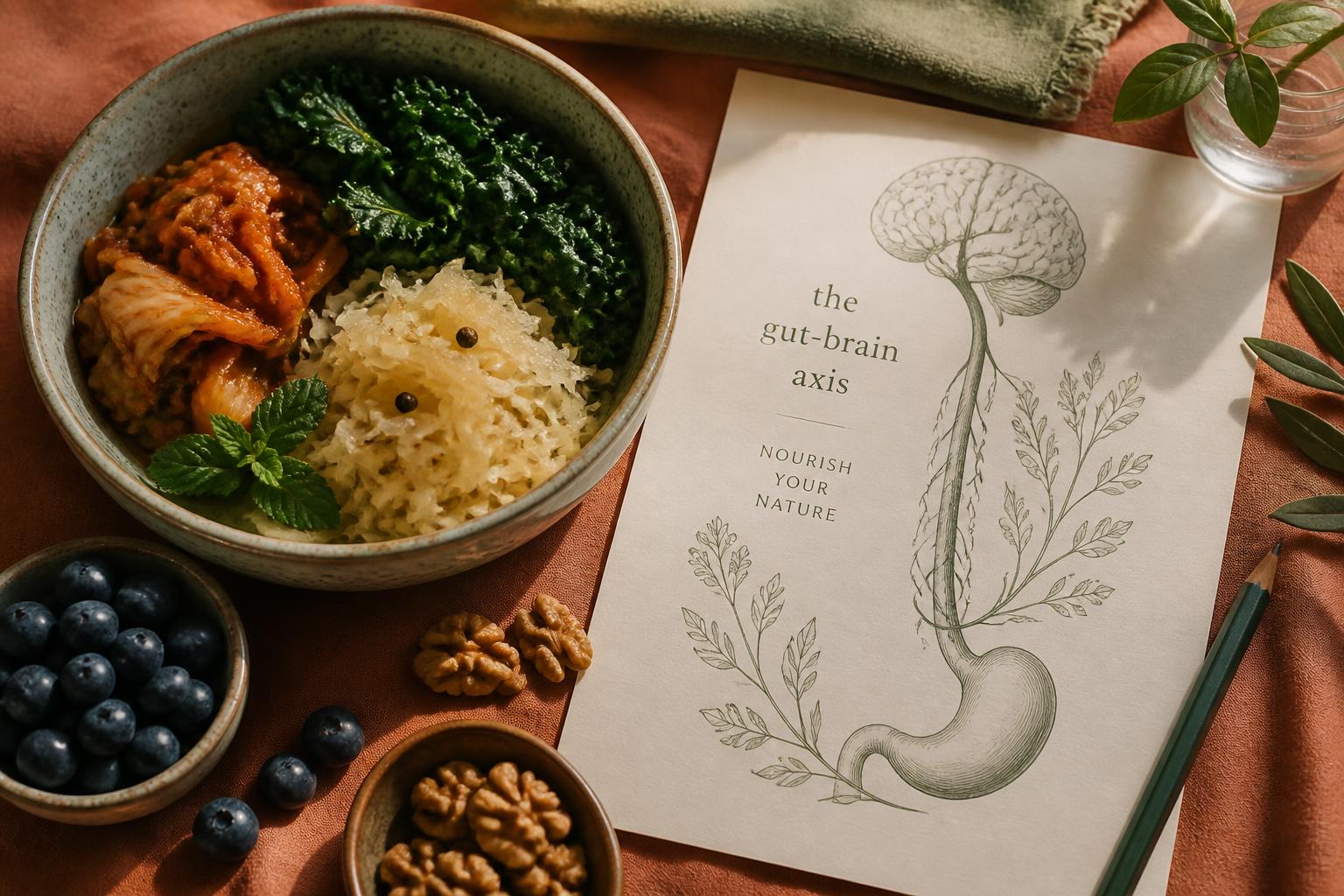
The gut–brain axis: why your mood lives in your microbiome
Anxiety, low mood and brain fog are rarely just 'in your head'. A functional-medicine look at the gut–brain axis, why women feel it more sharply across the cycle, and what actually helps.
Read: The gut–brain axis: why your mood lives in your microbiome →
DIM and CDG: the oestrogen-clearance pair your liver has been waiting for
Why DIM alone is only half the story, how calcium-d-glucarate finishes the job, and what this pairing can do for endometriosis, adenomyosis and oestrogen-dominant symptoms — based on functional-medicine nutrition.
Read: DIM and CDG: the oestrogen-clearance pair your liver has been waiting for →
Endometriosis: now you've been diagnosed — your next steps
A functional-medicine roadmap for the weeks after diagnosis: what endo actually is, the foods to lean on, the foods worth trialling out, the supplements with real evidence, and the lifestyle pieces that change how you feel.
Read: Endometriosis: now you've been diagnosed — your next steps →
Antidepressants, women, and the hormones nobody is checking
Prescriptions keep rising, female suicide rates are climbing, and the one thing rarely investigated is the hormonal landscape underneath. A look at what we're missing — and why bHRT deserves a serious second look.
Read: Antidepressants, women, and the hormones nobody is checking →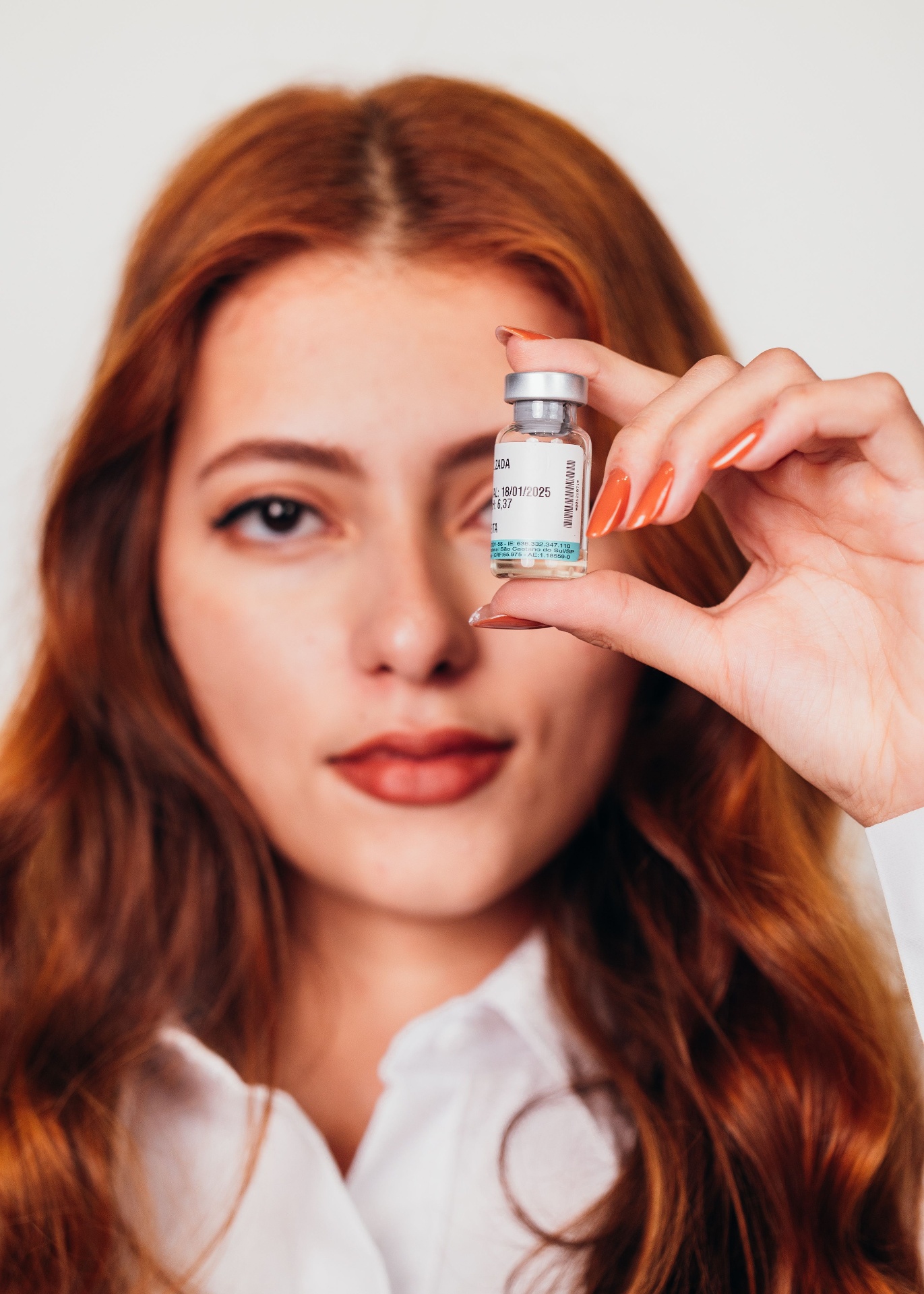
Peptides: a functional medicine view of the pros, the cons and where microdosing fits
From BPC-157 to GLP-1s, peptides have gone from biohacker forums to high-street clinics in three short years. Here is the considered, functional-medicine take — what they actually do, who they help, where microdosing earns its place, and where self-dosing from the internet does not.
Read: Peptides: a functional medicine view of the pros, the cons and where microdosing fits →
Why your dog might be lowering your cortisol
The science of co-regulation, and why living with animals genuinely shifts your physiology — not just your mood.
Read: Why your dog might be lowering your cortisol →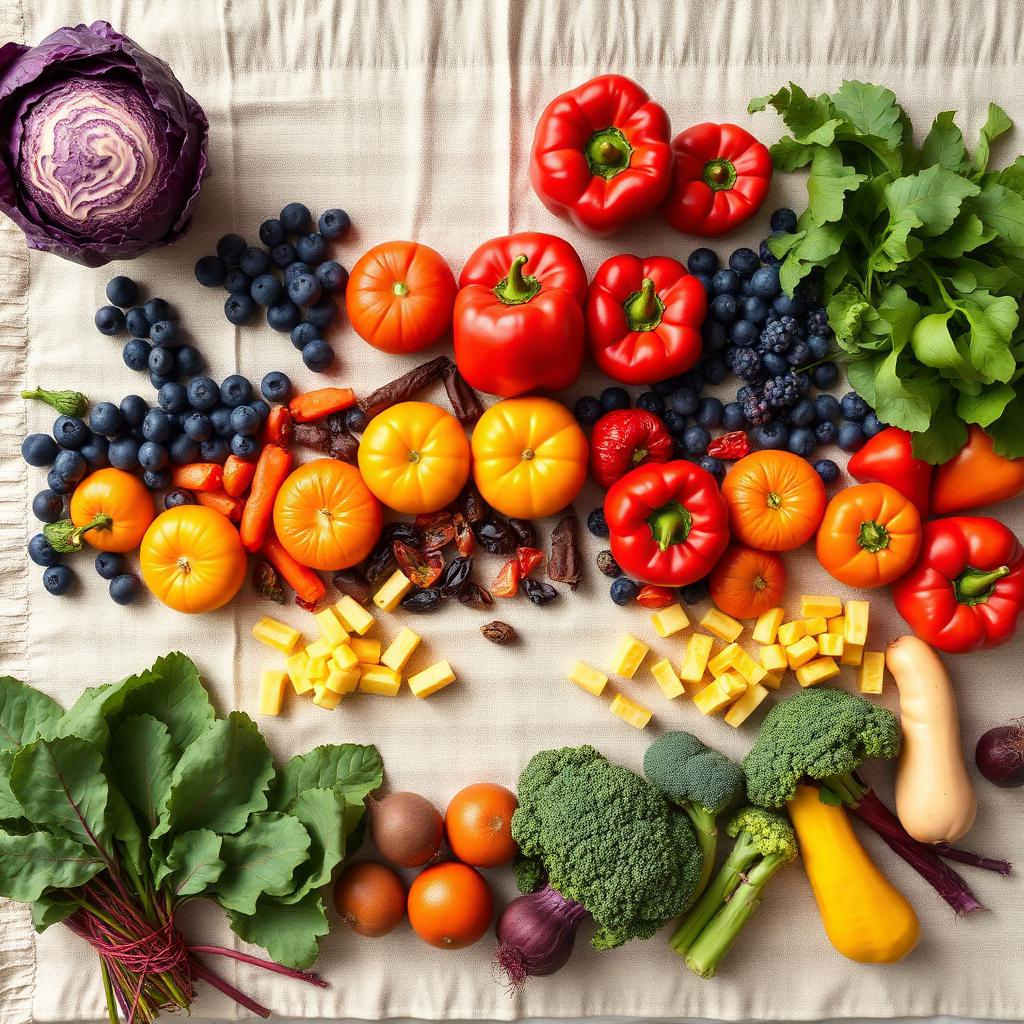
Eat the rainbow: the most underrated principle in functional medicine
It sounds like a children's poster. It's actually a daily dose of phytochemicals your liver, gut and immune system depend on.
Read: Eat the rainbow: the most underrated principle in functional medicine →
Dysautonomia: supporting a nervous system that's lost its rhythm
When the autonomic nervous system misfires, you feel it everywhere. The neurological piece is the one most often missed — and the one that responds best to targeted support.
Read: Dysautonomia: supporting a nervous system that's lost its rhythm →
Endometriosis: the basics no one explains properly
An inflammatory, immune-mediated condition driven — but not caused — by oestrogen. Here's the foundation, plus the Lara Briden protocol I keep coming back to.
Read: Endometriosis: the basics no one explains properly →
The blood tests I wish every woman asked for in her 30s
From ferritin to free testosterone, these are the markers that tell the real story — and why ‘normal’ ranges are often too wide for thriving.
Read: The blood tests I wish every woman asked for in her 30s →
ENDO-205: the first non-hormonal peptide built for endometriosis — what we actually know
A clear-eyed look at ENDO-205, the first-in-class non-hormonal targeted peptide for endometriosis: how it works, where it is in the research pipeline, the pros and cons, the safety picture so far, and a realistic timeline for when women might actually be able to use it.
Read: ENDO-205: the first non-hormonal peptide built for endometriosis — what we actually know →
The best supplements for sleep: magnesium glycinate, glycine, taurine and what the research actually says
A functional medicine guide to the most evidence-backed supplements for better sleep — magnesium glycinate, glycine, taurine, L-theanine, apigenin, ashwagandha and more — plus why none of them work properly until your sleep hygiene and circadian habits are in place.
Read: The best supplements for sleep: magnesium glycinate, glycine, taurine and what the research actually says →
The alcohol health myth is over: what the new research actually says about your nightly glass of wine
For thirty years we were told a daily drink was good for the heart. Better-designed research has quietly dismantled that story — even one drink a day now links to higher risk of cancer, cardiovascular disease, liver damage and early death. Here's what changed, why the old studies were wrong, and how to think about alcohol without the guilt spiral.
Read: The alcohol health myth is over: what the new research actually says about your nightly glass of wine →
Gut motility: the boring thing that changes everything
Why transit time, bile flow and the migrating motor complex matter more than any trendy supplement.
Read: Gut motility: the boring thing that changes everything →
What I eat in a flare: an endometriosis-friendly day
A real 24-hour snapshot of anti-inflammatory eating, movement, and the non-negotiables that keep my symptoms manageable.
Read: What I eat in a flare: an endometriosis-friendly day →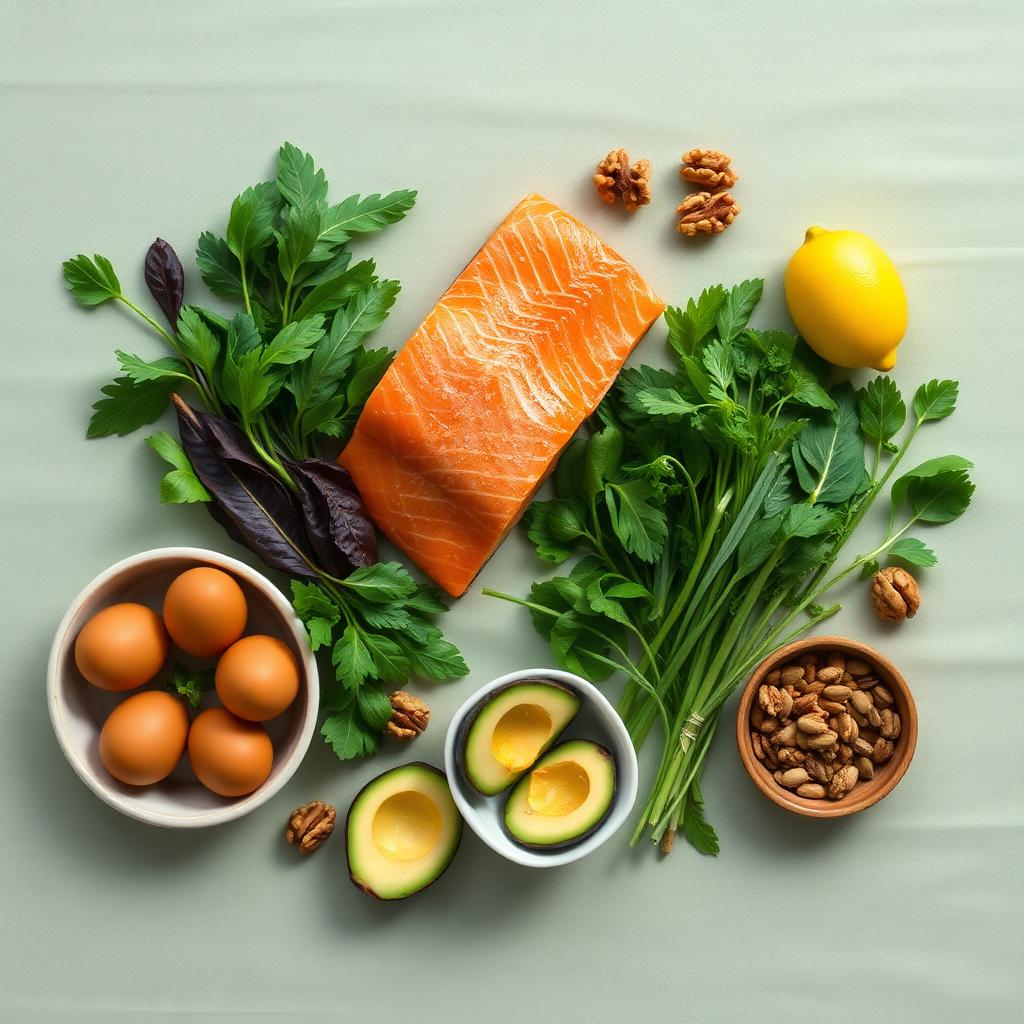
Preconception nutrition: it's not just folate
The often-overlooked nutrients, metabolic markers and lifestyle factors that set the stage for a healthy pregnancy.
Read: Preconception nutrition: it's not just folate →
Behaviour change is a design problem, not a willpower problem
How to stop relying on motivation and start building environments that make healthy choices the easy choice.
Read: Behaviour change is a design problem, not a willpower problem →
Batch cooking without the Sunday burnout
A low-effort framework for prepping ingredients, not whole meals, so weeknight cooking feels almost effortless.
Read: Batch cooking without the Sunday burnout →Want notes in your inbox?
A monthly dispatch of nutrition insights, habit experiments and kitchen shortcuts.
Join the list