Sober curious: rebuilding self-trust one alcohol-free day at a time
What can change when you stop drinking — self-trust, consistency, freedom from cravings, steadier difficult days and real money saved — plus the habit mechanics that make an alcohol-free life stick. A companion to my article on the alcohol health myth.
Written by Amy Morris, BSc (Hons) Nutritional Therapy — Functional Nutritional Therapist
My last article on alcohol was about the research: why the idea that a nightly glass of wine is good for you has fallen apart. This one is about the other side — what life can actually feel like without it, and how to make that change stick. I want to be upfront that this is personal for me. But my experience is mine, not a rule, and it isn't the only way to have a healthy relationship with alcohol. If you are sober curious — not necessarily ready to quit forever, just wondering what an alcohol-free stretch might give you — this is for you.
Why I stopped
I stopped drinking at 21, when I started studying nutrition, and it was life-changing. What it gives me is energy and clarity to do life with. My day isn't wasted trying to process alcohol.
I also live with chronic health conditions, and my body simply can't take the extra stress of things like alcohol. For me, not drinking is good self-care. That's my reason, and it is specific to me. Your reasons, and what you notice, may be completely different — and that's fine.
For me, an alcohol-free life means energy and clarity to do life with, rather than a day spent processing last night.
What the research says can change
Personal stories are just that — stories. So here is what the research suggests can change when people take a break from alcohol.
- Sleep: alcohol can make you fall asleep faster, but it disrupts sleep in the second half of the night and alters REM sleep (Ebrahim et al., 2013). Many people notice better sleep within days or weeks of stopping.
- Metabolic markers: in a small study of moderate to heavy drinkers, one month of abstinence improved insulin resistance, blood pressure and weight, along with some cancer-related growth factors (Mehta et al., 2018).
- Ongoing change: in a study of people who took part in Dry January, many reported better sleep, more energy and saving money, and many were drinking less six months later (de Visser et al., 2016). The participants volunteered, so they may not represent everyone, but the findings are encouraging.
- Stress: alcohol affects the body's stress response, and regular drinking can make stress and anxiety feel harder to manage between drinks (Blaine & Sinha, 2017).
Self-trust: keeping promises to yourself
One of the less talked-about benefits of an alcohol-free stretch is self-trust. Every time you decide not to drink and follow through, you are collecting evidence that you can do what you say you will. Psychologists call the belief that you can carry out a behaviour self-efficacy, and it is one of the strongest predictors of whether people make lasting changes (Bandura, 1977).
That self-trust tends to spill over. When you know you can keep a promise to yourself on a Friday night, it becomes easier to believe you can keep promises about sleep, movement and food too. Consistency doesn't come from never wobbling. It comes from building a track record.
No longer being pulled around by cravings
A lot of drinking is habit rather than choice. Habits are triggered by cues — a time of day, a place, a feeling, a particular person — and they run on autopilot once established (Wood & Rünger, 2016). The 6pm glass of wine isn't always about wanting wine. It is often about the end of the workday, the kitchen, the tiredness.
Cravings feel urgent, but they rise and fall like a wave. 'Urge surfing' — noticing the craving, breathing through it and watching it pass without acting on it — has been studied as a brief mindfulness technique for reducing the pull of cravings (Bowen & Marlatt, 2009). The more often you let a craving pass, the weaker the cue becomes. Over time, many people find they aren't pulled around by the urge the way they used to be.
Staying grounded on the difficult days
Many people drink to take the edge off hard days. If you remove the drink without replacing what it was doing for you, those days can feel exposed. These are the things my clients find most helpful:
- Name what you actually need: rest, comfort, connection, a boundary, or simply to mark the end of the day.
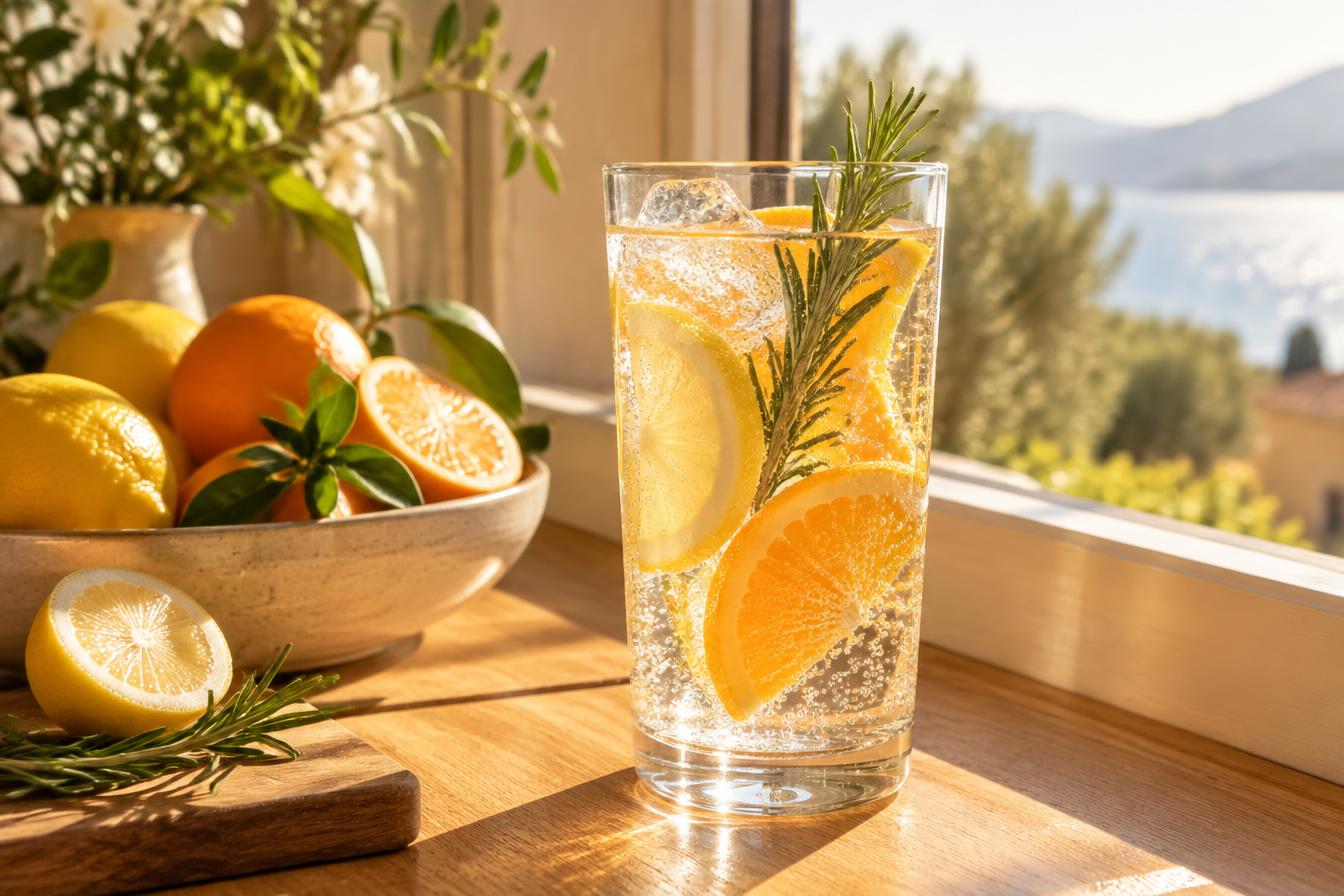
- Build a new end-of-day ritual — a walk, a shower, a particular drink in a nice glass, stepping outside for five minutes.
- Eat properly. Low blood sugar in the late afternoon makes cravings louder, so a protein-rich snack can make a surprising difference.
- Have a person to text. Telling someone you trust that you are taking a break gives you support when you need it.
- Lower the bar on hard days. Getting through without drinking is enough. You don't also need to be productive.
What the first few weeks can feel like
Not everyone feels brilliant straight away, and I think it is kinder to say so. Some people find their sleep is unsettled for the first week or two before it improves. Evenings and weekends can feel strangely long when a familiar ritual disappears. Cravings, including for sugar, are common early on, and social situations can feel awkward until you have a few under your belt.
For many people, these early wobbles ease as new routines take hold, but there is no set timeline, and it doesn't mean you are doing it wrong if it takes a while. Eating regular meals with protein, getting outside in daylight, moving your body and going to bed at a consistent time can all make the early phase easier. If your mood drops significantly or you feel unwell, speak to your GP.
The money
The financial side is easy to underestimate, so it is worth doing the sums for yourself. If you usually spend £10 on a bottle of wine twice a week, that is £1,040 a year. In South Africa, two R150 bottles a week comes to R15,600 a year. Add in drinks out, taxis and the takeaways that tend to follow, and the figure often grows. Some people move that money into a separate account and spend it on something that genuinely nourishes them — a trip, a course, a massage. Seeing it add up is motivating.
The habit mechanics that make it stick
- Make 'if–then' plans. Deciding in advance — 'If I'm offered a drink at the party, then I'll ask for a sparkling water with lime' — is one of the best-evidenced strategies for following through on intentions (Gollwitzer & Sheeran, 2006).
- Change your environment. Don't keep alcohol in the house, and stock drinks you enjoy instead.
- Expect it to take time. In a study of habit formation, it took a median of 66 days for a new behaviour to become automatic, with a wide range between people (Lally et al., 2010).
- Think about identity. 'I don't drink' tends to feel steadier than 'I'm trying not to drink'.
- Plan for social situations. Arrive with a drink of your own choice, have an answer ready if someone asks, and give yourself permission to leave early.
- Track it, kindly. Marking alcohol-free days can be motivating, but a slip doesn't erase your progress — return to the plan the next day.
- Be careful with alcohol-free versions of your usual drink. For some people they help; for others they can act as a cue for cravings. Notice which you are.
Your experience may be different
I am not suggesting everyone has to stop drinking, or that you will feel exactly as I do if you do. Some people take a break and decide to drink less rather than stop; others realise they want to stop altogether. The point of sober curiosity is to give yourself enough alcohol-free time to find out what is true for you.
Important safety note: if you drink heavily every day, or experience shaking, sweating, anxiety or nausea when you don't drink, please don't stop suddenly on your own. Alcohol withdrawal can be dangerous and needs medical support (NICE, 2010). Speak to your GP first. In the UK, Drinkline is free on 0300 123 1110; in South Africa, SANCA offers support for alcohol and drug concerns.
Before you act on any of this
This article is for education and general information only. It isn't medical advice, it can't diagnose or treat any condition, and it doesn't replace a consultation with your own doctor or a qualified practitioner who knows your history. Please don't start, stop or change any medication, hormone or supplement because of something you've read here — take your questions to the person responsible for your care.
References
- Bandura, A. (1977). Self-efficacy: toward a unifying theory of behavioral change. Psychological Review, 84(2), 191–215.
- Blaine, S.K., & Sinha, R. (2017). Alcohol, stress, and glucocorticoids: from risk to dependence and relapse in alcohol use disorders. Neuropharmacology, 122, 136–147.
- Bowen, S., & Marlatt, A. (2009). Surfing the urge: brief mindfulness-based intervention for college student smokers. Psychology of Addictive Behaviors, 23(4), 666–671.
- de Visser, R.O., Robinson, E., & Bond, R. (2016). Voluntary temporary abstinence from alcohol during 'Dry January' and subsequent alcohol use. Health Psychology, 35(3), 281–289.
- Ebrahim, I.O., Shapiro, C.M., Williams, A.J., & Fenwick, P.B. (2013). Alcohol and sleep I: effects on normal sleep. Alcoholism: Clinical and Experimental Research, 37(4), 539–549.
- Gollwitzer, P.M., & Sheeran, P. (2006). Implementation intentions and goal achievement: a meta-analysis of effects and processes. Advances in Experimental Social Psychology, 38, 69–119.
- Lally, P., van Jaarsveld, C.H.M., Potts, H.W.W., & Wardle, J. (2010). How are habits formed: modelling habit formation in the real world. European Journal of Social Psychology, 40(6), 998–1009.
- Mehta, G., Macdonald, S., Cronberg, A., et al. (2018). Short-term abstinence from alcohol and changes in cardiovascular risk factors, liver function tests and cancer-related growth factors: a prospective observational study. BMJ Open, 8(5), e020673.
- National Institute for Health and Care Excellence. (2010). Alcohol-use disorders: diagnosis and management of physical complications (CG100). London: NICE.
- Wood, W., & Rünger, D. (2016). Psychology of habit. Annual Review of Psychology, 67, 289–314.
The takeaway
Stopping drinking at 21, when I started studying nutrition, was life-changing for me: it gives me energy and clarity, and as someone with chronic health conditions, it is good self-care — but my experience isn't a rule for anyone else. Research suggests a break from alcohol can improve sleep, metabolic markers and stress, and many people who try it end up drinking less long term. The deeper benefits are often self-trust, consistency and freedom from cravings, built one alcohol-free day at a time. Use if–then plans, change your environment, build new rituals, expect it to take a couple of months, and be kind to yourself if you wobble. If you drink heavily every day, speak to your GP before stopping.
Monthly newsletter
Liked this? Get the monthly note.
One email a month with new research made readable, plus practical nutrition and habit notes from the Kitchen Table.