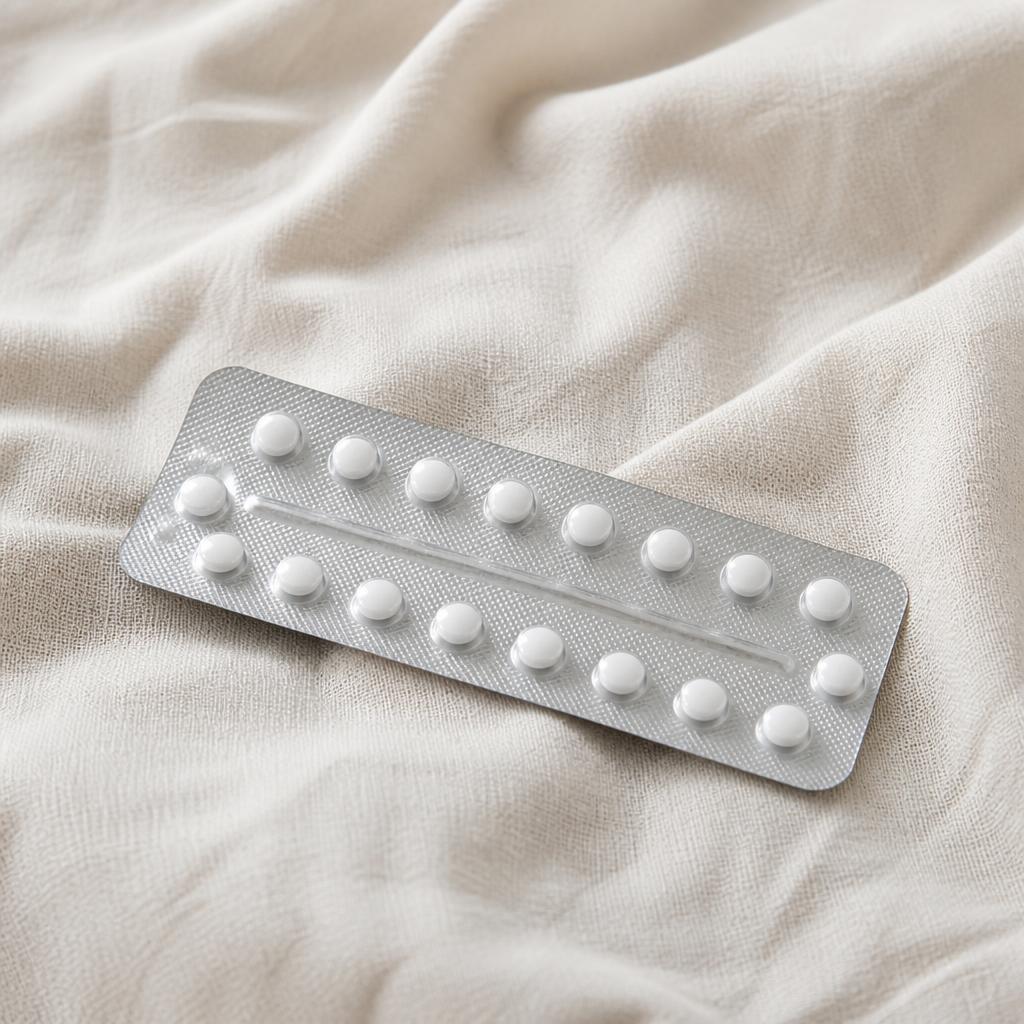
Can you remineralise your bones? Yes — but not with calcium alone
Bone is living tissue, not porcelain. Here is how nutrition, weight-bearing movement and the right medical support can rebuild bone mineral density — for women through perimenopause and for men as testosterone and load decline.
Written by Amy Morris, BSc (Hons) Nutritional Therapy — Functional Nutritional Therapist

If you have had a DEXA scan come back with the word osteopenia or osteoporosis, or you have watched a parent shrink and fracture, the question is never far away: can bone density actually come back? The short answer is yes — partially, meaningfully, and in ways that matter for real-life fracture risk. Bone is not porcelain. It is living, remodelling tissue that breaks down old matrix and rebuilds new mineralised bone every day of your life. After about age 35 the balance shifts toward more breakdown than build, and that accelerates in perimenopause when oestrogen drops. Men experience a slower, steadier decline driven largely by falling testosterone and reduced mechanical loading, but the remodelling machinery never stops. You can influence it. This is what the research says about doing that properly.
What bone remodelling actually means
Your skeleton is in constant conversation with itself. Osteoclasts remove old or damaged bone; osteoblasts lay down new collagen matrix and mineralise it with calcium and phosphate. This is bone remodelling, and it happens so your bones can adapt to mechanical stress, repair micro-damage and regulate mineral balance (Clarke, 2008, The Lancet; Florencio-Silva et al., 2015, International Journal of Medical Sciences).
That means bone density is not a fixed score. It is a dynamic balance between resorption and formation. The goal of any remineralisation plan is to slow the former, support the latter, and give osteoblasts the raw materials they need. Severe, advanced osteoporosis cannot usually be returned to a youthful baseline, but you can increase bone mineral density, improve bone quality and meaningfully lower fracture risk through targeted nutrition, movement and, when needed, medication (Mayo Clinic, 2024; Medical News Today, 2024).
Think of it like repaying a debt: you may not wipe it overnight, but you can steadily rebuild the balance.
The nutrients that actually build bone
Calcium gets the headlines, but bone remodelling is a team sport. Without the supporting cast, calcium cannot get where it needs to go.
- Calcium: the primary structural mineral in bone matrix. Food first — full-fat organic dairy from animals raised without added hormones (ideally A2, sheep or goat if cow's dairy doesn't suit you), leafy greens, tinned sardines with bones, tofu set with calcium, almonds and sesame. I never recommend low-fat dairy: stripping the fat removes the fat-soluble vitamins (A, D, K2) that calcium actually needs to reach bone (Mayo Clinic, 2024; Medical News Today, 2024).
- Vitamin D: controls calcium absorption in the gut. Without adequate vitamin D, you can swallow calcium all day and still not fix it into bone (Holick, 2007, New England Journal of Medicine).
- Vitamin K2: directs calcium away from arteries and soft tissues and into bone. Found in fermented foods like natto, aged cheese and egg yolks, and increasingly studied alongside D3 for bone and cardiovascular safety (Knapen et al., 2013, Osteoporosis International).
- Magnesium: required for converting vitamin D to its active form and for calcium assimilation. Low magnesium is common and undermines bone health (Castiglioni et al., 2013, Nutrients).
- Zinc: supports osteoblast activity and collagen synthesis. Shellfish, pumpkin seeds, legumes and good-quality meat are reliable sources (O'Connor et al., 2020, Nutrients).
- Protein: collagen forms the scaffold that minerals attach to. Adequate protein intake is consistently associated with better bone mass and lower fracture risk (Rizzoli et al., 2018, Osteoporosis International).
Food first: what a bone-building plate looks like
Supplements are useful, but they work best on top of a nutrient-dense diet rather than instead of one. I see this mistake often in clinic: women taking high-dose calcium while eating a low-protein, low-magnesium, ultra-processed diet.
A bone-supporting day of eating does not need to be complicated. Breakfast might be full-fat organic Greek yoghurt with ground flaxseed, walnuts and berries. Lunch could be a salmon or sardine salad with leafy greens, olive oil and lemon. Dinner might be a lentil or chicken stew with plenty of vegetables and a side of calcium-set tofu or broccoli. Snacks: a handful of almonds, a chunk of aged organic cheese, or hummus with red pepper strips. The pattern is protein at each meal, colourful plants, healthy fats, and — if you tolerate it — full-fat organic dairy from animals raised without added hormones or routine antibiotics. Where dairy doesn't suit you, unsweetened fortified alternatives work fine.
Lifestyle habits that mechanically force bone rebuilding
Bones respond to load. Wolff's law states that bone adapts to the forces placed on it, which is why astronauts lose bone in space and why weight-bearing exercise is so powerful on Earth (Frost, 2003, The Utah Paradigm of Skeletal Physiology).
- Weight-bearing and resistance exercise: walking, hiking, dancing, stair climbing, weightlifting and resistance-band work all place mechanical stress on bone, signalling osteoblasts to deposit more mineral. Two to three strength sessions a week is a solid target (Mayo Clinic, 2024; Medical News Today, 2024).
- Avoid smoking and vaping: nicotine impairs osteoblast function and accelerates bone loss. This is one of the clearest modifiable risk factors for osteoporosis (Ward & Klesges, 2001, Osteoporosis International).
- Limit alcohol: heavy drinking disrupts calcium balance, interferes with vitamin D metabolism and lowers the hormones that protect bone (Maurel et al., 2020, Frontiers in Endocrinology).
- Eat enough calories: chronic under-eating, especially combined with over-exercise, suppresses oestrogen and thyroid hormones and weakens bone integrity. This is a common and under-recognised cause of low bone density in younger women (Zanker et al., 2019, Current Opinion in Endocrine and Metabolic Research).
When lifestyle is not enough: medical support
If bone loss has progressed to osteopenia with high fracture risk, or osteoporosis, nutrition and exercise alone may not be sufficient. That is not a failure — it is biology. My ordering of options here follows the functional and integrative medicine view — the approach taken by clinicians like Dr Sara Gottfried, Dr Lara Briden, Dr Jolene Brighten, Dr Mark Hyman and Dr Robin Berzin — which is hormones and nutrient repletion first, bone-turnover drugs later and selectively.
- Body-identical hormone therapy first, where appropriate: oestradiol (with progesterone if you have a uterus) directly addresses the cause of accelerated loss in perimenopause and beyond, because oestrogen restrains osteoclast activity. It reduces bone loss and fracture risk, and it's the option Briden and Gottfried both prioritise for women in the menopause transition rather than reaching straight for a bone drug (Menopause Society, 2022; Mayo Clinic, 2024).
- Testosterone and DHEA, where levels are genuinely low: androgens support osteoblast activity and lean mass. Gottfried and Brighten both look at the full hormone picture — thyroid, cortisol, oestradiol, progesterone, testosterone — before assuming bone is a calcium problem.
- Correct what's driving the loss: undereating, low protein, poor gut absorption, coeliac disease, high cortisol, untreated hyperthyroidism, long-term PPIs, SSRIs and steroids all deplete bone. Hyman's and Berzin's root-cause framing applies here — treating the driver is part of the medical plan, not an alternative to it.
- Bisphosphonates and other bone drugs (alendronate, denosumab, teriparatide, romosozumab): genuinely useful when fracture risk is high, someone has already fractured, or hormones are contraindicated. These slow osteoclast activity or stimulate bone formation, and they belong in the conversation with an endocrinologist or bone specialist — used deliberately for a defined period, with a plan for what happens afterwards, rather than indefinitely by default (Drake et al., 2008, New England Journal of Medicine).
Medication and nutrition are not either/or. Nothing here replaces individual medical advice — decisions about hormones or bone drugs belong with your doctor, ideally one who will look at the whole hormonal and nutritional picture first.
Perimenopause: the window that matters most
The fastest bone loss in a woman's life happens in the menopause transition. Oestrogen withdrawal increases osteoclast activity, and many women lose 10% of their bone mass in the five years around their final period (Finkelstein et al., 2008, Journal of Clinical Endocrinology & Metabolism).
This is why I pay close attention to bone markers in women from their mid-40s onward. It is also the best time to intervene: vitamin D status, adequate protein, resistance training, and a conversation with your doctor about whether HRT is appropriate for bone protection as well as symptom control. Body-identical HRT, when it suits the individual, is one of the most effective bone-preserving strategies we have.
Men's bone health: not just a women's issue
Bone loss is often framed as a women's health topic, but men lose bone too — and when men fracture, the outcomes are often more severe. Men account for about one in five hip fractures, and mortality after a hip fracture is higher in men than in women (Cauley, 2011, Osteoporosis International). The biology is different, but the principles are the same.
In men, testosterone is the key hormone protecting bone. It supports osteoblast activity, muscle mass and the mechanical loading that keeps bone strong. Testosterone declines gradually from the 30s onward, and low testosterone — whether from ageing, obesity-driven oestrogen conversion, chronic stress, alcohol excess, or medications like opioids and steroids — is a major and under-tested driver of bone loss (Tracz et al., 2006, Journal of Clinical Endocrinology & Metabolism; Vandenput & Ohlsson, 2014, Best Practice & Research: Clinical Endocrinology & Metabolism).
Men also tend to be diagnosed later. Partly because screening is offered less routinely, and partly because the warning signs — gradual height loss, back pain, a fracture from a minor fall — are dismissed as normal ageing. I think men deserve the same proactive approach: a baseline DEXA, yearly bloods including vitamin D, testosterone, thyroid and inflammatory markers, and a nutrition and resistance-training plan that builds bone and muscle together.
- Eat enough protein and calories: men often under-eat protein relative to body size, especially if busy or training hard. Aim for 1.2–1.6 g protein per kg body weight daily, distributed across meals.
- Lift heavy things: resistance training is one of the most reliable ways for men to maintain both testosterone signalling and bone density. Compound lifts, progressive overload and impact work like hill walking or jumping matter more than endless cardio.
- Watch the alcohol and visceral fat: both lower free testosterone and increase inflammatory cytokines that drive bone resorption. A DEXA scan is useful here because it reports visceral fat alongside bone density.
- Check testosterone if bone loss is found: if a DEXA shows osteopenia or osteoporosis in a man, I always want testosterone, SHBG, free androgen index, oestradiol, cortisol, thyroid and vitamin D checked. Treating a hormone driver is root-cause medicine, not just patching the bone.
- Medication when needed: bisphosphonates and other bone drugs have the same place in men as in women — when fracture risk is high or a fragility fracture has already occurred. The key is not to skip the hormone and lifestyle work that addresses why the bone is thinning in the first place.
Men: if you are over 50, have lost height, have a family history of osteoporosis, or have low testosterone risk factors, ask for a DEXA. Bone health is not a gendered afterthought.
DEXA scans: cheap, accurate data you can actually use
A DEXA (dual-energy X-ray absorptiometry) scan is the gold-standard test for bone mineral density. It is quick, painless, uses a very low dose of radiation, and gives you a precise T-score and Z-score for your hip and spine — the two fracture-critical sites. In other words, it tells you exactly where you stand before you spend months guessing with supplements.
A useful bonus is that a DEXA scan also measures body composition: it separates total fat mass from lean muscle mass and can report visceral adipose tissue — the deeper fat around organs that is more metabolically active than subcutaneous fat. That means one scan gives you both bone and body-composition data, which is helpful if you are trying to build muscle, shift body fat, or understand how your training and nutrition are affecting your overall metabolic health.
In Cape Town, a private DEXA bone-density scan at a dedicated centre such as Arya Stana currently costs around R 2,400, while many radiology practices charge closer to medical-aid rates if you have cover. In the UK, private DEXA scans typically range from £85 to £250 for the scan and report, or £200 to £400 plus if bundled with a specialist consultation. Either way, it is a small outlay for information that shapes the next five to ten years of your bone health.
You do not need to wait until you are postmenopausal, or even mid-life, to get useful data. Ideally, a baseline DEXA in your late teens onwards is valuable — not because osteoporosis is likely then, but because it gives you a personal reference point to track change against over the decades. Bone is already at peak mass in your 20s, and knowing your starting point helps you spot early loss long before it becomes a fracture risk.
If you missed that early window, I recommend a baseline DEXA from your mid-40s, or earlier if you have risk factors: a family history of osteoporosis, a previous low-impact fracture, long-term steroid use, coeliac disease, thyroid disease, or a history of restrictive eating or overtraining. If the result is normal, you have a baseline to compare against. If it shows osteopenia, you can act early while bone is still highly responsive to nutrition, load and, if appropriate, hormone support.
Just as I believe yearly blood tests are worth doing to track metabolic, hormonal and nutrient shifts over time, I think a repeat DEXA scan every one to two years is sensible once you know bone health is a concern. Bone changes slowly, but the earlier you catch a downward trend, the more reversible it usually is. In my view, medical aids and insurers should cover both yearly blood screening and periodic DEXA scans far more readily than they do — these are low-cost interventions that prevent far more expensive fractures, falls and chronic disease down the line.
A DEXA scan is one of the best-value tests in women's health: for roughly the price of a few supplement bottles, you get an objective picture of your bone density, fracture risk and body composition.
Get the data, don't guess
I am a fan of testing before supplementing blindly. Useful baseline checks include vitamin D, serum calcium and magnesium, parathyroid hormone, thyroid function, full blood count and ferritin, alongside a DEXA scan from your late teens onwards — or from your mid-40s if you missed that early window — and earlier still if you have risk factors like a family history of fracture, long-term steroid use, coeliac disease or a history of restrictive eating.
If you do supplement calcium, split the dose — the gut absorbs it better in servings of 500 mg or less. And always pair calcium with vitamin D and K2 so the calcium ends up in bone, not arteries.
References
- Clarke B. Normal bone anatomy and physiology. Clin J Am Soc Nephrol. 2008;3 Suppl 3(Suppl 3):S131–S139.
- Florencio-Silva R, Sasso GR, Sasso-Cerri E, Simões MJ, Cerri PS. Biology of bone tissue: structure, function, and factors that influence bone cells. Biomed Res Int. 2015;2015:421746.
- Holick MF. Vitamin D deficiency. N Engl J Med. 2007;357(3):266–281.
- Knapen MH, Drummen NE, Smit E, Vermeer C, Theuwissen E. Three-year low-dose menaquinone-7 supplementation helps decrease bone loss in healthy postmenopausal women. Osteoporos Int. 2013;24(9):2499–2507.
- Castiglioni S, Cazzaniga A, Albisetti W, Maier JA. Magnesium and osteoporosis: current state of knowledge and future research directions. Nutrients. 2013;5(8):3022–3033.
- O'Connor JP, Kanjilal D, Tonelli M, Sterba T, Cline JM. Zinc is a critical regulator of osteoclast and osteoblast activity and is altered by microgravity. Nutrients. 2020;12(9):2876.
- Rizzoli R, Biver E, Bonjour JP, et al. Benefits and safety of dietary protein for bone health — an expert consensus paper endorsed by the ESCEO and by the IOF. Osteoporos Int. 2018;29(9):1933–1948.
- Frost HM. Bone's mechanostat: a 2003 update. Anat Rec A Discov Mol Cell Evol Biol. 2003;275(2):1081–1101.
- Ward KD, Klesges RC. A meta-analysis of the effects of cigarette smoking on bone mineral calcification. Osteoporos Int. 2001;12(4):289–298.
- Maurel DB, Boisseau N, Benhamou CL, Jaffre C. Alcohol and bone: review of dose effects and mechanisms. Front Endocrinol. 2020;11:593.
- Zanker J, Hind K. The effect of energy deficiency on bone in the female athlete. Curr Opin Endocr Metab Res. 2019;6:23–31.
- Drake MT, Clarke BL, Khosla S. Bisphosphonates: mechanism of action and role in clinical practice. Mayo Clin Proc. 2008;83(9):1032–1045.
- North American Menopause Society. The 2022 hormone therapy position statement of The North American Menopause Society. Menopause. 2022;29(7):767–794.
- Finkelstein JS, Brockwell SE, Mehta V, et al. Bone mineral density changes during the menopause transition in a multiethnic cohort of women. J Clin Endocrinol Metab. 2008;93(3):861–868.
- Cauley JA. Osteoporosis in men: prevalence and investigation. Osteoporos Int. 2011;22(5):1509–1514.
- Tracz MJ, Sideras K, Boloña ER, et al. Testosterone use in men and sexual dysfunction: a systematic review and meta-analysis of randomized placebo-controlled trials. J Clin Endocrinol Metab. 2006;91(8):3119–3128.
- Vandenput L, Ohlsson C. Sex steroids and bone health in men. Best Pract Res Clin Endocrinol Metab. 2014;28(4):553–562.
The takeaway
You can remineralise bone, but not with calcium alone. The real formula is adequate protein, calcium, vitamin D, K2, magnesium and zinc; regular weight-bearing and resistance exercise; enough calories; no smoking and limited alcohol; and medical support when bone loss is significant. Whether you are heading into perimenopause or a man noticing gradual strength loss, bone health is worth testing early and addressing at the root.
Monthly newsletter
Liked this? Get the monthly note.
One email a month with new research made readable, plus practical nutrition and habit notes from the Kitchen Table.