L-theanine, the new meta-analysis, and why I keep it in my handbag
A brand-new Molecular Psychiatry meta-analysis of 31 randomised trials confirms L-theanine sharpens attention, may lift low mood after a single dose, and is remarkably safe. Here's what the paper actually shows — and why I personally keep it on me for dysautonomia-driven anxiety and take it from ovulation to my period to smooth out PMS.
Written by Amy Morris, BSc (Hons) Nutritional Therapy — Functional Nutritional Therapist
A new systematic review and meta-analysis of L-theanine has just been published in Molecular Psychiatry (Kucukgoncu et al., 2026) — 31 randomised controlled trials, 1,168 participants, the biggest and most methodologically careful synthesis we have so far. The findings are worth reading past the headlines, because they line up almost perfectly with how I use L-theanine in clinic and, honestly, how I use it on myself. I keep a bottle in my handbag for the moments my dysautonomia decides to hand me a wave of sudden, floor-dropping anxiety, and I take it daily from around day 21 of my cycle through to my period as part of my PMS toolkit. Here's what the paper actually says, and how to think about L-theanine sensibly.
What the new meta-analysis found
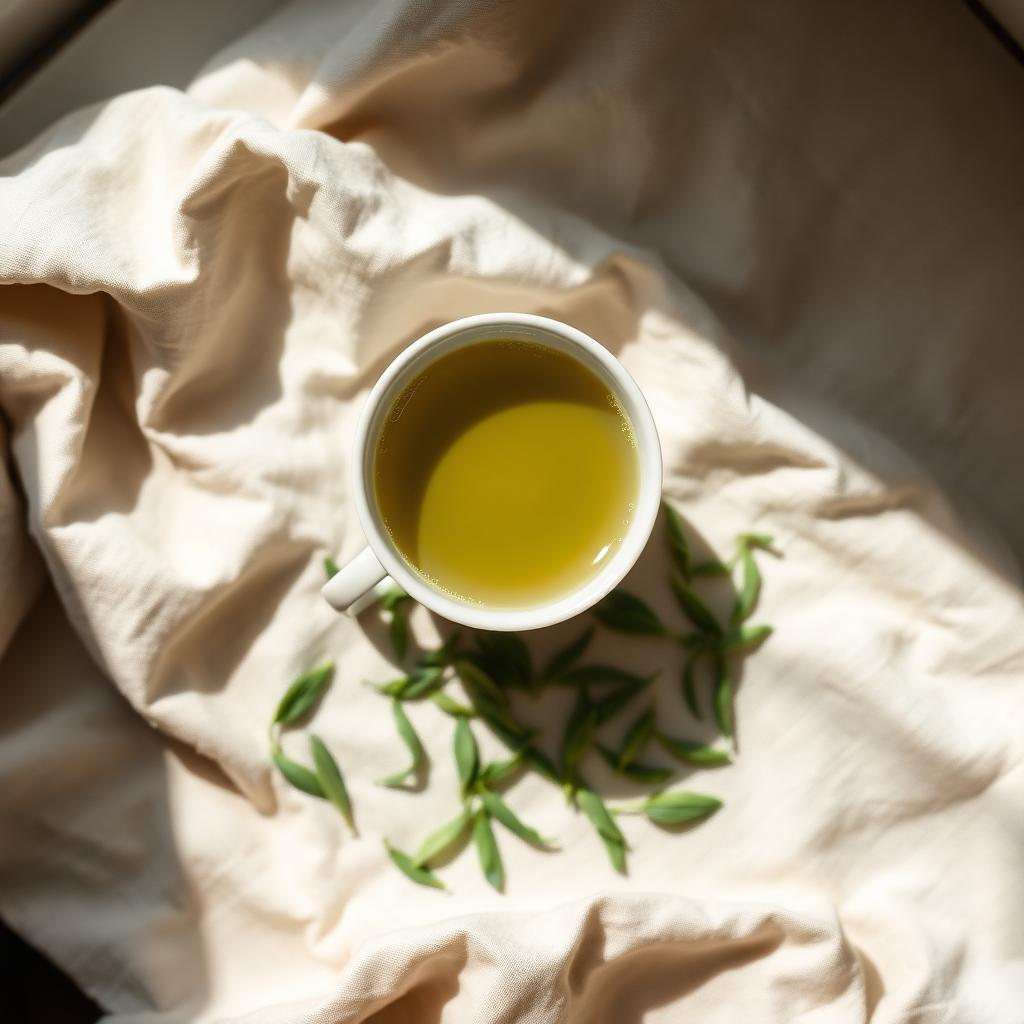
L-theanine is a non-protein amino acid found almost exclusively in the tea plant (Camellia sinensis). It crosses the blood-brain barrier within about 30 minutes of an oral dose, nudges GABA, glycine, dopamine and serotonin, and reliably increases alpha brainwave activity — the pattern the brain produces during calm, focused wakefulness (not sedation).
The 2026 meta-analysis pooled 31 randomised, placebo-controlled trials of oral L-theanine in healthy and clinical populations. The clearest signal, with a moderate effect size, was on attention: a single 200 mg dose taken 30–60 minutes before a cognitive task significantly improved choice reaction time (SMD = 0.51). Translation: sharper focus, faster response, no jitter.
Acute stress reduction was more modest (SMD = 0.31) and largely driven by lower-quality studies — so the anti-stress story is real but genuinely smaller than the marketing suggests. When one outlier was removed, a single dose in healthy adults produced a meaningful reduction in depressive symptoms (SMD = 0.69). Anxiety effects across trials were inconsistent, except in one study of psychotic anxiety where 400 mg/day for eight weeks worked well. No effect on fatigue. Crucially: no serious adverse events across any of the 31 trials. This is one of the safest neuroactive supplements on the market.
The headline from the new data: L-theanine reliably improves attention, may lift low mood, is modest but real for acute stress, and is unusually safe — but it is not a magic anxiolytic for everyone.
Why I keep it in my handbag: dysautonomia and sudden anxiety
I live with dysautonomia — a dysregulated autonomic nervous system — which means my sympathetic 'fight-or-flight' branch can flip on for no good reason: a hot room, a missed meal, standing up too fast, a stretch of poor sleep. When it goes, it goes hard. Heart rate up, chest tight, that unmistakable rising panic that isn't really about anything in the room.
L-theanine has become my in-the-moment tool for exactly those episodes. I keep 200 mg tablets in my handbag, my car and my bedside table. When I feel the surge starting, I take a half or a whole, depending on how I'm feeling — more usually toward my period — sit down, slow my breathing, and within 20 to 40 minutes the edge comes off. It doesn't sedate me and it doesn't make me foggy. It just widens the gap between the stimulus and my nervous system's alarm.
This isn't a substitute for the deeper autonomic work — salt, hydration, compression, paced breathing, vagal tone, sleep, blood-sugar stability, addressing MCAS if it's there. Those are the foundations. L-theanine is what I reach for in the acute moment while the foundations do their slower work.
Why I take it from ovulation to my period: the PMS window
The second half of the cycle — the luteal phase, roughly day 15 to day 28 — is when progesterone rises and then falls, and where PMS lives. Progesterone is metabolised into allopregnanolone, a positive modulator of the GABA-A receptor. In a smooth cycle, that means calm, sleep and steadier mood in the second half of the month. In a sensitive nervous system, or with fluctuating progesterone (which is common in women with endometriosis, adenomyosis, dysautonomia, PMDD, perimenopause, or chronic stress), the same GABA system starts behaving erratically. The result: rising anxiety, poor sleep, irritability, tearfulness, and a shorter fuse from around day 21 until bleeding starts.
L-theanine is genuinely useful here because it works on the same calming circuitry — GABA, glycine, alpha waves — without touching hormones themselves. I take 200 mg once or twice a day from roughly day 21 until my period arrives. It doesn't fix the underlying hormonal fluctuation, but it takes the sharp edges off the anxiety, helps me fall asleep in a luteal phase that usually fragments my sleep, and stops the PMS irritability from tipping into full-body dread.
It stacks well with the other things I use in the luteal phase — magnesium glycinate at night, extra B6, cruciferous vegetables for oestrogen clearance, protecting sleep and blood sugar more aggressively that week — but on its own it's the one supplement my nervous system actually notices.
How to use L-theanine sensibly
- Dose: 100–200 mg for acute use, up to 400 mg/day split across the day for repeated use. All of the trials in the new meta-analysis sit inside that range.
- Timing: acute effects peak roughly 30–60 minutes after an oral dose and last 2–3 hours. Take it before you need it, not once panic is fully underway.
- Form: look for pure L-theanine (Suntheanine is the best-researched branded form). Avoid products that hide it inside a proprietary stack of stimulants.
- Pair it (or don't) with caffeine: the classic pairing is 200 mg L-theanine with 100 mg caffeine for focused calm. If you're already anxious or dysautonomic, drop the caffeine and take L-theanine alone.
- Cycle-timed use: for luteal-phase anxiety and PMS, try 200 mg once or twice daily from ovulation (roughly day 14–15) or day 21 through to bleeding, then stop until the next luteal phase.
- Who should be cautious: anyone on lithium, blood pressure medication, stimulants for ADHD, or sedatives should check with their prescriber. Pregnancy and breastfeeding data are limited — I don't use it in those windows and don't recommend it there.
What it isn't
L-theanine is not a treatment for a clinical anxiety disorder, PMDD, panic disorder or a POTS/dysautonomia diagnosis. The new meta-analysis is clear that the anxiety signal across trials is inconsistent, and that the more impressive findings — attention, low mood after a single dose — need larger, better-quality trials in clinical populations before we make bigger claims.
What it is: a well-tolerated, evidence-supported, easy tool that fits neatly into a broader nervous-system, hormonal and lifestyle strategy. In my own life it's earned its place in the handbag and in my luteal-phase routine. That's not the same as saying it will do the same job for everyone — but if you have a sensitive nervous system, cycle-linked anxiety, or a dysautonomic pattern of sudden surges, it is one of the safer things to try first.
References
- Kucukgoncu S, et al. L-theanine for psychiatric and cognitive outcomes: a systematic review and meta-analysis of 31 randomised controlled trials. Mol Psychiatry. 2026.
- Nobre AC, Rao A, Owen GN. L-theanine, a natural constituent in tea, and its effect on mental state. Asia Pac J Clin Nutr. 2008;17 Suppl 1:167–168.
- Hidese S, Ogawa S, Ota M, et al. Effects of L-theanine administration on stress-related symptoms and cognitive functions in healthy adults. Nutrients. 2019;11(10):2362.
- Williams JL, Everett JM, D'Cunha NM, et al. The effects of green tea amino acid L-theanine on mental health of adults. Plant Foods Hum Nutr. 2020;75(1):12–23.
- Kimura K, Ozeki M, Juneja LR, Ohira H. L-theanine reduces psychological and physiological stress responses. Biol Psychol. 2007;74(1):39–45.
- Ritsner MS, Miodownik C, Ratner Y, et al. L-theanine relieves positive, activation, and anxiety symptoms in patients with schizophrenia. J Clin Psychiatry. 2011;72(1):34–42.
- Bäckström T, Bixo M, Johansson M, et al. Allopregnanolone and mood disorders. Prog Neurobiol. 2014;113:88–94.
The takeaway
The 2026 Molecular Psychiatry meta-analysis (Kucukgoncu et al., 31 RCTs, n = 1,168) confirms what many of us have seen clinically: L-theanine reliably sharpens attention, may lift low mood, takes some of the edge off acute stress, and is remarkably safe at 100–400 mg/day. It's not a cure for anxiety — but as a targeted tool for a dysregulated nervous system or a rocky luteal phase, it's one of the most sensible supplements you can keep on hand. Speak to a practitioner before starting anything new, especially if you're on medication or navigating a specific diagnosis.
Monthly newsletter
Liked this? Get the monthly note.
One email a month with new research made readable, plus practical nutrition and habit notes from the Kitchen Table.