Preconception nutrition: it's not just folate
The often-overlooked nutrients, metabolic markers and lifestyle factors that set the stage for a healthy pregnancy.
Written by Amy Morris, BSc (Hons) Nutritional Therapy — Functional Nutritional Therapist
The standard preconception advice — 'take a folate supplement and stop drinking' — was written 40 years ago and never updated. We now know that the 90 days before conception shape oocyte and sperm quality, placental development, and the metabolic environment the embryo will implant into. Folate matters. So do another two dozen things almost nobody mentions. Here's what a properly resourced preconception window actually looks like.
Why 90 days, and why both partners
An egg takes approximately 90 days to mature from primordial follicle to the dominant follicle that ovulates. Sperm regenerate on a 74-day cycle. Everything you eat, drink, breathe and stress over during those three months programmes the gametes that meet at conception (Gougeon, Endocr Rev 1996; Sengupta et al., Hum Reprod Update 2017).
Male nutrition is responsible for around half the picture and is the most under-addressed variable in fertility care. Sperm count, motility and DNA fragmentation are all responsive to nutrition, exercise and toxin exposure within a single 74-day cycle (Levine et al., Hum Reprod Update 2017).
Folate vs folic acid — they aren't the same
Folic acid is the synthetic form; folate is the natural form found in food and as methylfolate (5-MTHF) in supplements. Up to 40% of the population carries an MTHFR gene variant that reduces their ability to convert folic acid to its active form, leaving unmetabolised folic acid circulating — which has been linked to immune dysregulation and may be counter-productive at high doses (Bailey & Ayling, PNAS 2009; Patanwala et al., Am J Clin Nutr 2014).
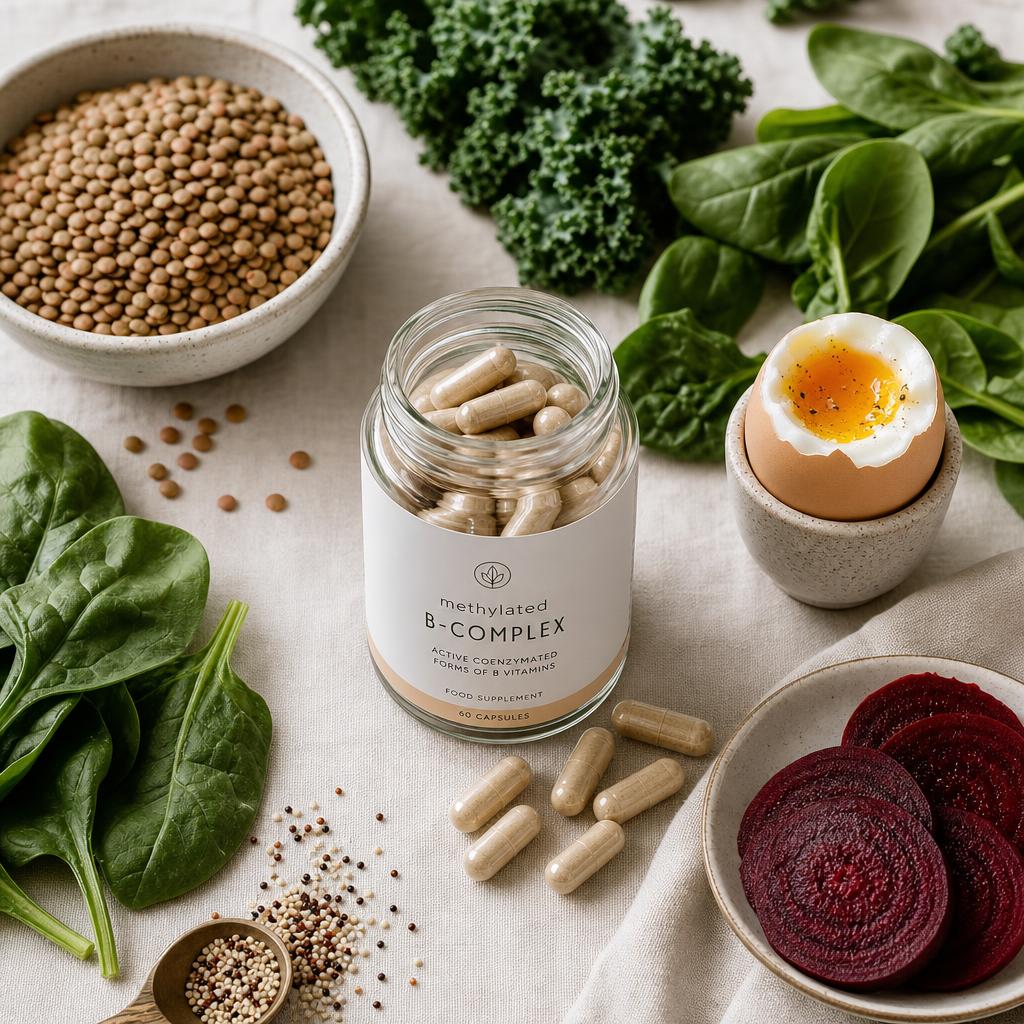
Choose a methylated prenatal containing methylfolate (5-MTHF) at 400–800 µg, methylcobalamin (B12), and the methylated forms of B6 (P5P). This matters most for women with a history of recurrent miscarriage or known MTHFR variants.
The nutrients almost nobody mentions
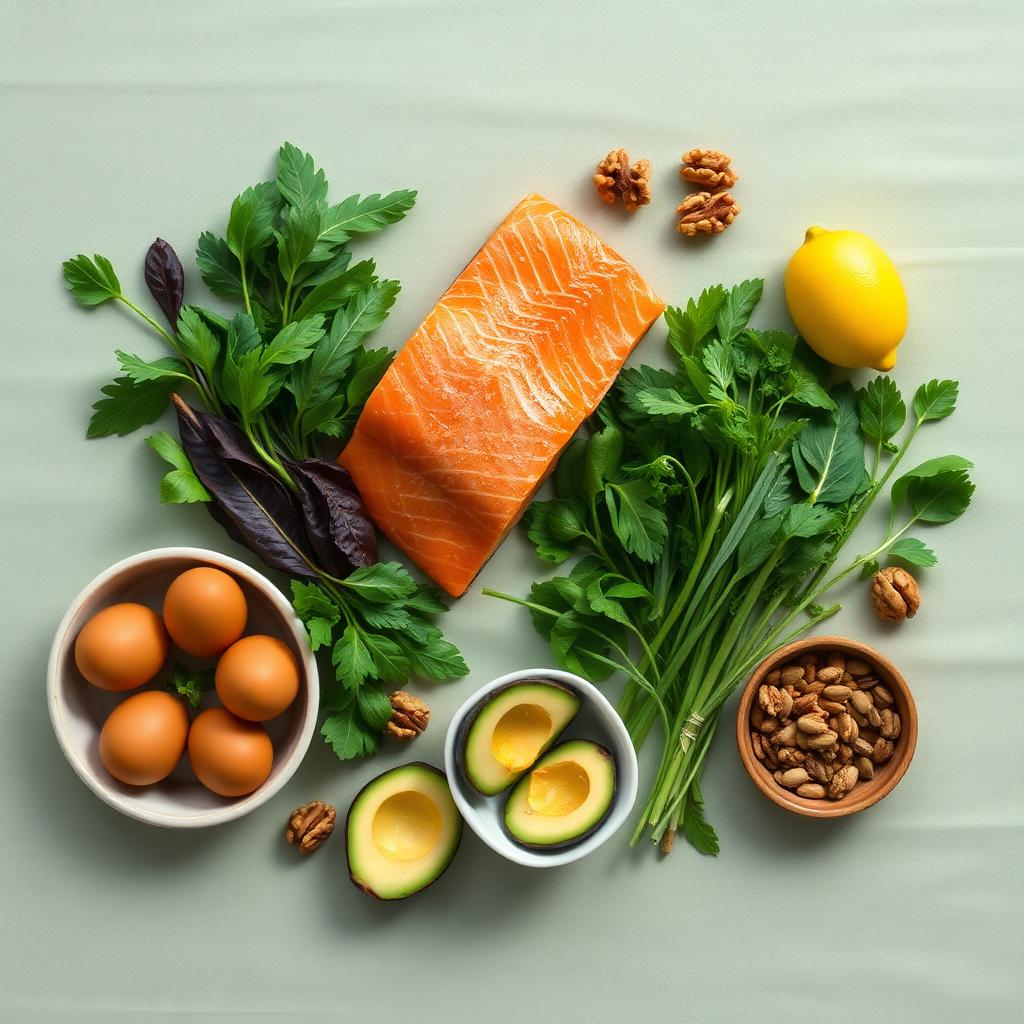
- Choline — 450 mg/day. Critical for neural tube closure and lifelong cognitive development, but most prenatals contain none (Caudill et al., FASEB J 2018). Found in egg yolks, liver, fish.
- Iodine — 150 µg/day. Iodine deficiency in pregnancy is the leading preventable cause of intellectual disability worldwide. UK rates are quietly worrying (Bath et al., Lancet 2013).
- Omega-3 (EPA + DHA) — 1–2 g/day. DHA is structural for the fetal brain and eye, and adequate maternal levels reduce preterm birth risk (Middleton et al., Cochrane 2018).
- Vitamin D — to a serum level of 100–125 nmol/L. Deficiency is common and linked to preeclampsia, gestational diabetes and impaired implantation (Palacios & Gonzalez, Curr Opin Clin Nutr Metab Care 2014).
- Zinc — 15 mg/day. Critical for ovulation, sperm quality, and progesterone production.
- CoQ10 (ubiquinol) — 200–400 mg/day, especially over 35. Improves oocyte mitochondrial function (Bentov & Casper, Fertil Steril 2013).
- NAC — 600–1200 mg/day. Reduces oxidative stress in PCOS and improves egg quality.
Metabolic health is fertility
Insulin resistance is the single most under-treated cause of subfertility, anovulation and recurrent miscarriage. Fasting insulin under 7 µIU/mL and HbA1c under 5.4% before conception substantially reduce the risk of gestational diabetes, miscarriage and large-for-gestational-age babies (Diamanti-Kandarakis & Dunaif, Endocr Rev 2012).
If you have PCOS, irregular cycles, acne, or stubborn weight around the middle, treat the metabolic picture before you try to conceive — not after. Inositol (myo-inositol + D-chiro-inositol in a 40:1 ratio at 4 g/day) has trial-level evidence for restoring ovulation and improving egg quality (Unfer et al., Eur Rev Med Pharmacol Sci 2017).
Detoxification load — the conversation nobody starts
Endocrine-disrupting chemicals (BPA, phthalates, parabens, glyphosate) are reproductive toxins at low doses. Reduce exposure 3 months before conception: switch to glass food storage, fragrance-free skincare, filtered water (carbon block at minimum, reverse osmosis if budget allows), and organic for the dirty dozen produce items. The EWG's data show 90% of women have measurable BPA in their urine — and BPA crosses the placenta (Gore et al., Endocr Rev 2015).
The unglamorous foundations
- Sleep 7.5–9 hours nightly — melatonin is a major egg-quality antioxidant (Tamura et al., J Pineal Res 2012).
- Resistance training 2–3 x/week — improves insulin sensitivity and ovulation.
- Alcohol: ideally zero, both partners, for 90 days. The dose-response for sperm damage is steeper than most realise.
- Stop the pill 3–6 months in advance — it depletes B6, B12, folate, magnesium and zinc.
- Test and treat thyroid optimally: TSH ideally 1.0–2.0 with positive antibodies treated with selenium and a clinician's input.
Preconception is the most leveraged 90 days of your reproductive life. The work you do in those 12 weeks shapes outcomes that no amount of intervention later in pregnancy can replicate.
References
- Gougeon A. Regulation of ovarian follicular development in primates. Endocr Rev 1996;17(2):121–155.
- Sengupta P et al. Decline in sperm count in European men during the past 50 years. Hum Reprod Update 2017.
- Levine H et al. Temporal trends in sperm count: a systematic review and meta-regression analysis. Hum Reprod Update 2017;23(6):646–659.
- Bailey SW, Ayling JE. The extremely slow and variable activity of dihydrofolate reductase in human liver. PNAS 2009;106(36):15424–15429.
- Patanwala I et al. Folic acid handling by the human gut: implications for food fortification and supplementation. Am J Clin Nutr 2014;100(2):593–599.
- Caudill MA et al. Maternal choline supplementation during the third trimester of pregnancy improves infant information processing speed. FASEB J 2018;32(4):2172–2180.
- Bath SC et al. Effect of inadequate iodine status in UK pregnant women on cognitive outcomes in their children. Lancet 2013;382(9889):331–337.
- Middleton P et al. Omega-3 fatty acid addition during pregnancy. Cochrane Database Syst Rev 2018;(11):CD003402.
- Palacios C, Gonzalez L. Is vitamin D deficiency a major global public health problem? J Steroid Biochem Mol Biol 2014;144:138–145.
- Bentov Y, Casper RF. The aging oocyte — can mitochondrial function be improved? Fertil Steril 2013;99(1):18–22.
- Diamanti-Kandarakis E, Dunaif A. Insulin resistance and the polycystic ovary syndrome revisited. Endocr Rev 2012;33(6):981–1030.
- Unfer V et al. Myo-inositol effects in women with PCOS: a meta-analysis of randomized controlled trials. Eur Rev Med Pharmacol Sci 2017;21(4):760–773.
- Gore AC et al. EDC-2: The Endocrine Society's second scientific statement on endocrine-disrupting chemicals. Endocr Rev 2015;36(6):E1–E150.
- Tamura H et al. Melatonin and the ovary: physiological and pathophysiological implications. J Pineal Res 2012;52(3):334–341.
The takeaway
A methylated prenatal, choline, iodine, omega-3, vitamin D, a metabolic panel and a 3-month toxin clean-up — for both partners. Folic acid alone is a 1980s answer to a 2020s question.
Monthly newsletter
Liked this? Get the monthly note.
One email a month with new research made readable, plus practical nutrition and habit notes from the Kitchen Table.