Endometriosis: now you've been diagnosed — your next steps
A functional-medicine roadmap for the weeks after diagnosis: what endo actually is, the foods to lean on, the foods worth trialling out, the supplements with real evidence, and the lifestyle pieces that change how you feel.
Written by Amy Morris, BSc (Hons) Nutritional Therapy — Functional Nutritional Therapist
A diagnosis of endometriosis usually arrives after years of being told the pain was normal. The relief of finally having a name is quickly followed by a second problem: most of the information online is generic, contradictory, or written as if surgery and the pill were the only two doors. They aren't. Drawing on the work of Lara Briden and Dr Jolene Brighten, alongside the wider functional-medicine literature, this is the framework I walk newly-diagnosed women through — what's actually happening in the body, and where to start in the kitchen, the supplement cabinet, and daily life.
What endometriosis actually is (and isn't)
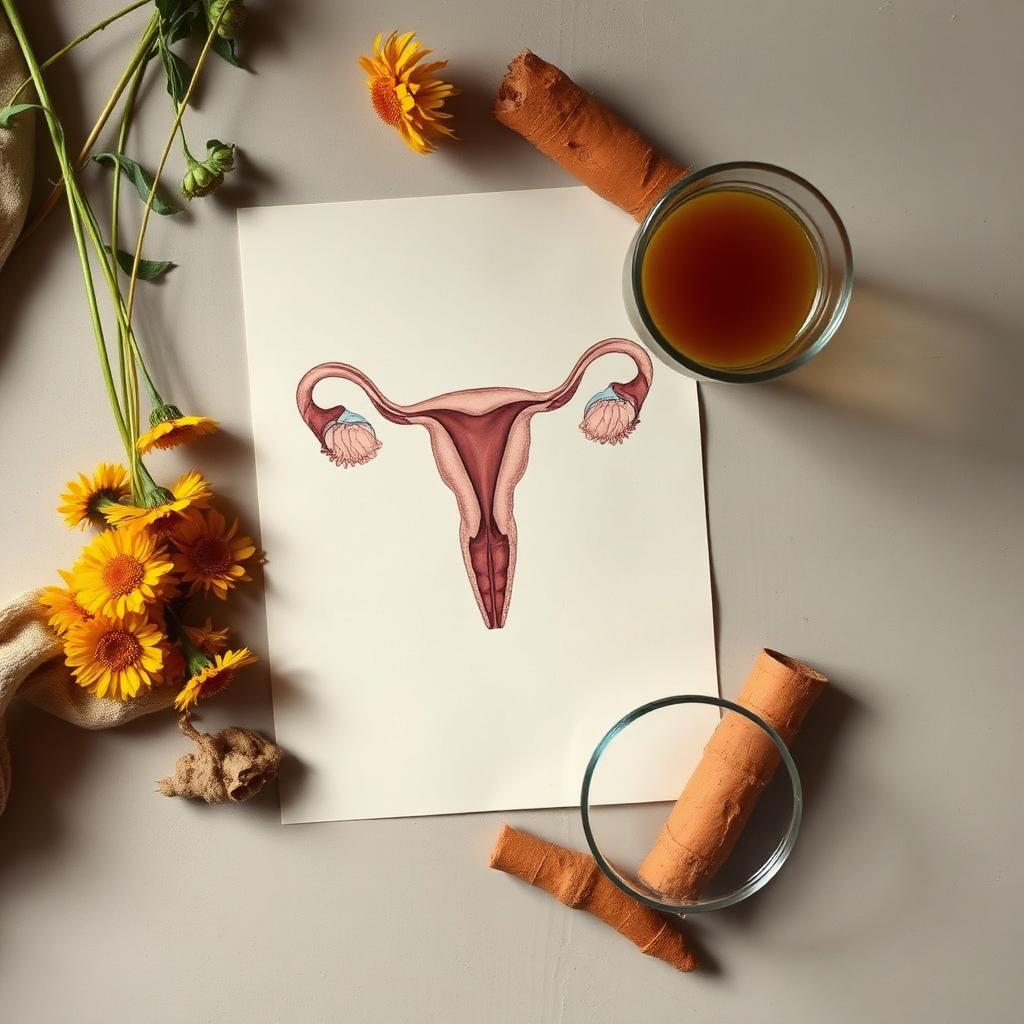
The old definition — 'endometrial tissue growing outside the uterus' — is now considered incomplete. The lesions of endometriosis are not identical to the uterine lining; they behave differently, they produce their own oestrogen via the enzyme aromatase, and they generate a chronic, body-wide inflammatory and immune response. Lara Briden describes endo plainly as an 'inflammatory disease that is fed by oestrogen, not caused by it' — a distinction that completely reframes treatment.
From a functional-medicine lens, three biological systems are misfiring at once: the immune system is failing to clear ectopic tissue and instead amplifying inflammation around it; oestrogen metabolism and clearance are sluggish, so oestrogen recirculates and feeds the lesions; and the nervous system becomes sensitised to pain, so even small flares feel large. Dr Jolene Brighten frames endo as a whole-body condition with strong links to gut dysbiosis, environmental toxin load, and HPA-axis (stress) dysregulation. Treating it as a 'period problem' misses most of the mechanism.
Why the standard playbook often isn't enough
Conventional care typically offers three things: NSAIDs, hormonal suppression (the pill, the Mirena, GnRH agonists), and laparoscopic excision surgery. Excision surgery by a skilled specialist is genuinely useful and sometimes essential. Hormonal suppression can quiet symptoms but does not address the immune dysfunction underneath — which is why so many women feel better on the pill and worse the moment they come off it.
What's missing in most NHS pathways is what Briden and Brighten both emphasise: endo is an immune disease, and the inflammatory environment that feeds it is shaped daily by what you eat, how you sleep, your stress load, your gut, and your exposure to endocrine disruptors. None of that is alternative — it's the substrate everything else either works on top of, or struggles against.
Diet and lifestyle aren't a replacement for good medical care. They are the soil. Surgery and medication land very differently in soil that has been prepared.
Food as a starting point — what to lean into
The goal of an endo-supportive diet isn't restriction for its own sake. It's lowering the inflammatory load, supporting oestrogen metabolism through the liver and gut, and feeding a microbiome that helps — rather than hinders — hormone clearance. Build meals around these anchors:
- Oily fish 2–3 times a week (wild salmon, sardines, mackerel) for EPA and DHA, the most direct dietary anti-inflammatory we have.
- Cruciferous vegetables daily — broccoli, cauliflower, rocket, kale, Brussels sprouts. They provide DIM and sulforaphane, which support the liver's oestrogen-clearance pathways.
- 30g+ of fibre a day from vegetables, lentils, beans, oats, ground flaxseed and berries. Fibre binds used oestrogen in the gut so it leaves the body instead of being reabsorbed.
- A wide range of colourful plants — Brighten's '30 plants a week' nudge is a useful target. Diversity feeds a diverse microbiome, which protects against the 'estrobolome' imbalance that recirculates oestrogen.
- Quality protein at every meal (eggs, fish, organic poultry, pulses) to stabilise blood sugar — insulin spikes drive inflammation and worsen endo pain.
- Olive oil, avocado, nuts and seeds — monounsaturated and omega-3-rich fats that crowd out the pro-inflammatory omega-6 load most modern diets carry.
- A daily bowel movement is non-negotiable for oestrogen clearance. If that isn't happening, hydration, magnesium, kiwi fruit and ground flax are the gentlest first steps.
Foods worth trialling out — case by case
This is where personalisation matters more than dogma. Briden's clinical observation is that endo improves meaningfully in many — though not all — women when specific immune-activating foods are removed. The point of a trial isn't to be 'off' something forever; it's to gather data on your own body. Run each trial for 8–12 weeks, then reintroduce deliberately and observe symptoms for two full cycles.
- Cow's dairy, particularly A1 casein. This is Briden's number-one trial for endo. The mechanism is immune activation, not lactose. Goat, sheep or A2 dairy is often tolerated.
- Gluten. Multiple small studies show symptomatic improvement in 60–75% of endo patients on a gluten-free trial. The link is via intestinal permeability and immune cross-reactivity, not coeliac disease.
- Alcohol. It raises oestrogen, burdens liver detoxification and disrupts sleep. Not every woman needs zero — but for active endo, a meaningful reduction is usually transformative.
- Refined sugar and ultra-processed foods. They spike insulin and feed the inflammatory cascade. Whole-food carbohydrates are not the problem; ultra-processed ones often are.
- Soy is more nuanced than the internet suggests. Whole, fermented soy (tempeh, miso) appears neutral or beneficial; isolated soy protein and soy oil are best minimised.
- Red meat in large amounts has been associated with higher endo risk in observational studies. Smaller portions of high-quality, grass-fed beef are not the same as daily processed meat.
If you only run one trial, run dairy. If you can run two, add gluten. Eight to twelve weeks is the minimum window — symptoms cycle, and one month isn't long enough to know.
Supplements with the strongest evidence
Supplements are tools, not foundations. They earn their place when food, sleep, stress and movement are already being worked on. The list below is drawn from the recurring overlap between Lara Briden's prescribing, Jolene Brighten's clinical protocols, and the published trials in endometriosis. Doses are general adult ranges and should be tailored with a practitioner who knows your full picture.
- Magnesium glycinate or bisglycinate, 300–400 mg in the evening. Helps period pain, sleep and nervous-system tone. Briden calls it the single most useful mineral for menstrual health.
- Zinc, around 30 mg daily with food. Supports immune regulation; trials show reduced lesion activity and improved pain scores.
- Omega-3s (EPA/DHA), 1–2 g combined daily. The most consistently studied supplement in endo, with meaningful effects on prostaglandin-driven pain.
- Curcumin (with piperine or in a phytosome form for absorption), 500–1000 mg daily. Anti-inflammatory and shown to inhibit oestradiol production in endo lesions in vitro.
- N-acetylcysteine (NAC), 600 mg three times daily. Italian trials have shown reductions in endometrioma size and improvements in pain — one of the most promising findings of the last decade.
- Vitamin D, dosed to keep blood levels in the 75–125 nmol/L range. Low vitamin D is consistently associated with more severe endo.
- B-complex with active methylated B12 and folate, to support phase 2 liver detoxification and oestrogen clearance.
- Probiotics — strain matters. Lactobacillus and Bifidobacterium blends help the 'estrobolome' and gut barrier. Saccharomyces boulardii is useful where there is co-existing bloating or SIBO.
- Brighten frequently adds DIM (diindolylmethane) for women whose oestrogen metabolites skew unfavourably; this is best guided by a DUTCH test rather than guessed at.
Stack supplements onto food and lifestyle changes, not instead of them. And avoid the temptation to start everything at once — you won't know what's helping.
Lifestyle: the part that quietly changes everything
Endo is exquisitely sensitive to the stress response. When the nervous system is stuck in sympathetic dominance, inflammation rises, gut motility slows, sleep fragments, and pain perception amplifies. This is the part of the protocol that costs nothing and changes the most.
- Sleep is the single most underrated anti-inflammatory. Aim for 7.5–9 hours, in a cool dark room, with a consistent wind-down. Melatonin (3 mg) has its own evidence base for reducing endo pain.
- Daily movement — but matched to your cycle. Walking, swimming, yoga and strength training are protective. Chronic high-intensity training when you're already inflamed and under-recovered is not.
- Nervous-system practices: slow nasal breathing, 10 minutes of daily quiet, vagus-nerve work (humming, gargling, cold water on the face), or therapy if trauma is part of the picture. Brighten is emphatic that unaddressed nervous-system load keeps the immune system stuck.
- Reduce endocrine-disrupting chemicals: switch to glass storage, filter your drinking water, choose fragrance-free personal care, and avoid heating food in plastic. Phthalates and BPA are independently associated with higher endo risk.
- Cycle awareness. Track your cycle, learn your luteal-phase warning signs, and plan rest, lighter food and earlier nights into the days before your period — instead of being ambushed by them every month.
- Build a team: a GP who listens, an endo-experienced surgeon if needed, a pelvic-floor physiotherapist (often the missing piece for deep pain and bladder symptoms), and a nutrition professional to personalise the food and supplement piece.
Where to actually start this month
If the list above feels overwhelming — it is. Pick three things, not thirteen. A reasonable first month: remove cow's dairy, add oily fish twice a week and ground flaxseed daily, and begin magnesium glycinate at night. Walk 20 minutes after dinner. Be in bed by 10pm four nights out of seven. Re-evaluate after two complete cycles.
From there, layer in the next trial (gluten, alcohol), then the next supplement (omega-3s, then NAC or curcumin), then deeper lifestyle work. Endo is a long game, and a steady, evidence-led approach almost always outperforms a frantic, do-everything-at-once one.
You haven't been given a life sentence. You've been given information. The next 90 days, used well, can change how the next 10 years feel.
References
- Briden L. Period Repair Manual: Natural Treatment for Better Hormones and Better Periods. 2nd ed. Macmillan, 2018.
- Briden L. Hormone Repair Manual: Every Woman's Guide to Healthy Hormones After 40. Macmillan, 2021.
- Briden L. Endometriosis: a disease of immune dysfunction (clinical articles, larabriden.com).
- Brighten J. Beyond the Pill: A 30-Day Program to Balance Your Hormones, Reclaim Your Body, and Reverse the Dangerous Side Effects of the Birth Control Pill. HarperOne, 2019.
- Brighten J. Is This Normal? Judgment-Free Straight Talk About Your Body. HarperOne, 2023.
- Marziali M et al. Gluten-free diet: a new strategy for management of painful endometriosis related symptoms? Minerva Chir 2012;67(6):499–504.
- Porpora MG et al. A promise in the treatment of endometriosis: an observational cohort study on ovarian endometrioma reduction by N-acetylcysteine. Evid Based Complement Alternat Med 2013;240702.
- Harris HR, Chavarro JE et al. Dairy-food, calcium, magnesium, and vitamin D intake and endometriosis: a prospective cohort study. Am J Epidemiol 2013;177(5):420–430.
- Hopeman MM et al. Serum polyunsaturated fatty acids and endometriosis. Reprod Sci 2015;22(9):1083–1087.
- Signorile PG, Viceconte R, Baldi A. Novel dietary supplement association reduces symptoms in endometriosis patients. J Cell Physiol 2018;233(8):5920–5925.
- Mier-Cabrera J et al. Effect of vitamins C and E supplementation on peripheral oxidative stress markers and pelvic pain in women with endometriosis. Int J Gynaecol Obstet 2008;100(3):252–256.
- Buggio L et al. Self-management and psychological-sexological interventions in patients with endometriosis. Int J Womens Health 2017;9:281–293.
- Upson K et al. Phthalates and endometriosis: a prospective cohort study. Hum Reprod 2013;28(12):3331–3339.
- NICE NG73 — Endometriosis: diagnosis and management. Updated 2024.
The takeaway
Endometriosis is an inflammatory, immune-mediated, oestrogen-fed disease — not a period problem. Calm the immune system, support oestrogen clearance, feed the microbiome, regulate the nervous system, and personalise the food trials. Done patiently, it changes everything.
Monthly newsletter
Liked this? Get the monthly note.
One email a month with new research made readable, plus practical nutrition and habit notes from the Kitchen Table.