Coming off the pill: what the new cortisol research means for your stress response
A new study in The Journal of Clinical Endocrinology & Metabolism shows total cortisol and cortisol-binding globulin normalise within about 4 weeks of stopping the combined pill. Here's what that actually means for your stress response, mood and recovery — and how to support your body through the transition.
Written by Amy Morris, BSc (Hons) Nutritional Therapy — Functional Nutritional Therapist
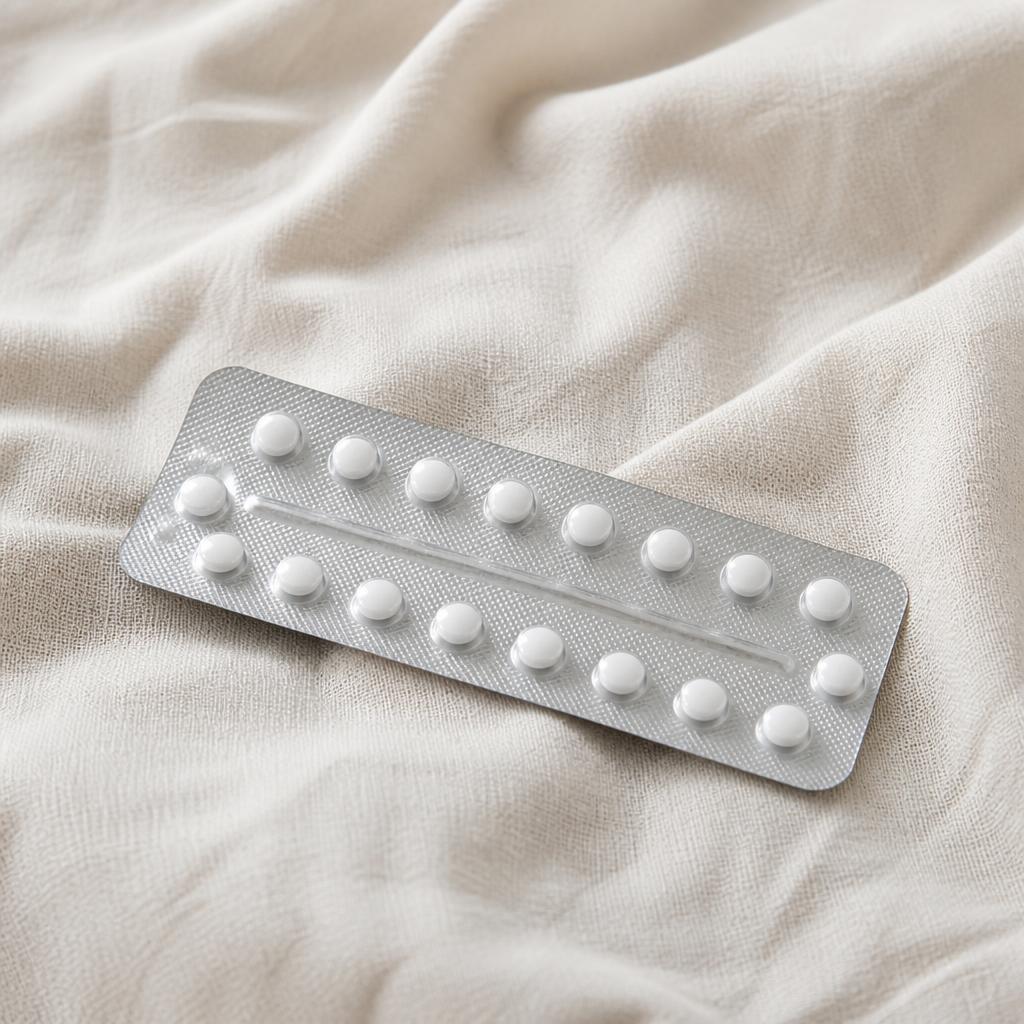
For decades, women have been told the combined oral contraceptive pill is a small, tidy intervention that only touches the reproductive system. The truth is messier, and the research is finally catching up. A new study published in The Journal of Clinical Endocrinology & Metabolism found that total cortisol and cortisol-binding globulin (CBG) — two of the main markers of how your body handles stress — drop significantly and normalise within about 4 weeks of stopping the combined pill. That timeline matters, because it tells us something we've suspected in clinic for years: the pill doesn't just override ovulation, it reshapes your stress physiology, and your body needs a proper window to recalibrate once you come off it.
What the new research actually shows
The headline finding is simple. In women taking combined oral contraceptives, total serum cortisol and CBG run high — often two to three times higher than in non-users — because synthetic oestrogen pushes the liver to make more binding proteins. When women stop the pill, both markers fall and reach normal ranges within roughly four weeks. On paper this sounds reassuring: the numbers normalise, the system resets, everything goes back to baseline.
But cortisol biology is more nuanced than a single lab value. Alongside those elevated levels, hormonal contraceptives have been shown to blunt the cortisol response to acute stress — the sharp, protective rise your body should produce when it needs to react, focus or recover. A blunted cortisol curve is not a calmer nervous system; it's a less responsive one. Research on the hypothalamic-pituitary-adrenal (HPA) axis — the brain-to-adrenal loop that governs stress — has shown that long-term pill users often have a flatter stress response, altered emotional processing, and changes in how the brain encodes fear and reward.
Add to that the pill's suppression of your own progesterone, which is metabolised into allopregnanolone — the body's most powerful natural calming neurosteroid — and you have a fairly good explanation for why some women feel emotionally flat, anxious or oddly disconnected on the pill, and why the first few months off it can feel like the volume on every feeling has been turned back up.
Cortisol and CBG normalise within about 4 weeks of stopping the combined pill — but the wider recalibration of your stress response, mood and cycle can take 3 to 12 months.
Why the pill changes your stress response in the first place
Synthetic ethinyl oestradiol is a much more potent oestrogen than the oestrogen your ovaries make, and it doesn't behave the same way in the liver. It drives up production of binding globulins — CBG, sex hormone-binding globulin (SHBG), thyroid-binding globulin — which then bind and inactivate a large fraction of your circulating hormones. Total cortisol goes up on a blood test, but the free, biologically active fraction and the responsiveness of the whole axis look different.
At the same time, the pill flattens the natural cyclical rise and fall of oestrogen and progesterone across the month. Your brain is used to those rhythms. The hippocampus, amygdala and prefrontal cortex all have oestrogen and progesterone receptors, and they use those signals to tune mood, memory, fear extinction and stress recovery. Take the rhythm away for a year, five years, ten years, and it's not surprising that reintroducing it takes time.
What to expect in the first 3 to 6 months off the pill
Most women need three to six months for their cycles, mood and skin to find a new equilibrium after stopping the combined pill, and some need up to a year — particularly if they were on it for a long time, started it very young, or have an underlying condition like PCOS, endometriosis or a thyroid issue that was masked by the pill.
Common experiences during the transition include temporary mood swings, anxiety spikes (especially in the luteal phase, once ovulation returns), heavier or more painful periods, cycle irregularity for the first few months, hormonal acne, headaches, and hair changes. None of these are necessarily signs that something is wrong. Many are signs that your body is trying to remember how to run the show itself.
- Weeks 1–4: cortisol and CBG normalise. You may feel a wave of tiredness, low mood or heightened stress sensitivity as your HPA axis recalibrates.
- Months 1–3: your first natural cycles return. Ovulation may be delayed or irregular. Skin, mood and libido often shift noticeably.
- Months 3–6: cycles usually settle. Any underlying condition the pill was suppressing — endometriosis pain, PCOS symptoms, PMDD — will start to reveal itself if it's there.
- Months 6–12: for most women, this is the window where things stabilise. If cycles are still absent or heavily disordered at 12 months, that's a signal to investigate, not to wait longer.
How to support your body through the transition
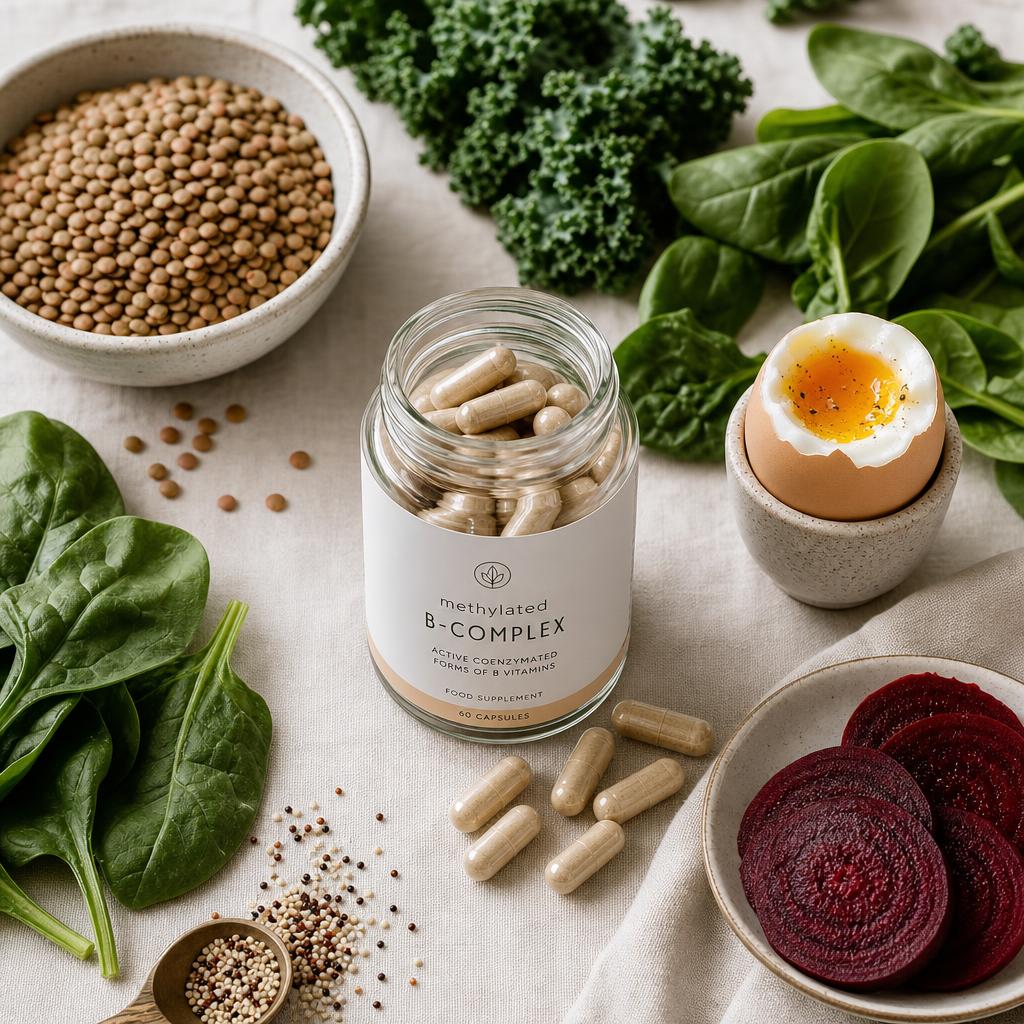
The pill depletes several nutrients that are directly relevant to how you cope with stress and rebuild hormonal rhythm: B vitamins (especially B6, folate and B12), magnesium, zinc, vitamin C, selenium and CoQ10. This isn't fringe — it's been documented in the mainstream literature for years. Refilling those stores before or during the transition makes a real difference.
- Nutrition: build meals around vegetables, high-quality protein at every meal (25–35 g), and healthy fats like avocado, olive oil, oily fish, nuts and seeds. Stable blood sugar is the single biggest lever for a stable HPA axis.
- Fibre and the microbiome: 25–35 g of fibre daily, plus fermented foods (kefir, sauerkraut, live yoghurt), supports the oestrobolome — the gut bacteria that help clear excess oestrogen as your own cycle returns.
- Targeted nutrients: a good B-complex, magnesium glycinate 200–400 mg at night, zinc 15–25 mg, and vitamin D based on your blood levels are a sensible starting point. Ideally personalised to bloods rather than guessed.
- Stress physiology: prioritise 7–9 hours of sleep, morning daylight within 30 minutes of waking, and gentle daily movement. Meditation, breathwork and vagal-tone practices (humming, cold water on the face, long exhales) genuinely help a recalibrating HPA axis.
- Cycle tracking: use a basal body temperature app or a tracker like Natural Cycles to watch ovulation return. It's the clearest early signal that the system is coming back online.
- Avoid piling on new stressors: this is not the month to start a punishing training block, a crash diet, or a stimulant-heavy routine. Your stress ceiling is temporarily lower.
When to get bloods and professional support
If you're planning to come off the pill, it's worth getting a baseline set of bloods either just before or in the first few months after: a full thyroid panel (TSH, free T4, free T3, TPO antibodies), ferritin and full iron studies, vitamin D, B12, folate, HbA1c, fasting insulin, and — once you're cycling — day 3 FSH, LH, oestradiol and a day 21 progesterone (or 7 days after ovulation if your cycle isn't 28 days).
See a practitioner if periods haven't returned by six months, if your mood is significantly disrupted, if pain is severe, or if you were originally put on the pill to manage something (endometriosis, PCOS, heavy bleeding, acne, migraines) and want a plan that isn't just 'go back on it'. Coming off the pill is a reasonable time to rebuild the foundations properly rather than paper over the symptoms.
A note on choice
None of this is an argument against the pill. For many women it is genuinely the right tool at the right time, and the ability to control fertility is not a small thing. What the research is telling us is that it isn't a neutral intervention, and coming off it isn't a switch you flip — it's a transition that deserves the same thoughtfulness as starting it. Give your body four weeks for the cortisol numbers, three to six months for the cycle, and up to a year for the whole system to feel like yours again.
References
- Hertel J, König J, Homuth G, et al. Evidence for stress-like alterations in the HPA-axis in women taking oral contraceptives. Sci Rep. 2017;7:14111.
- Nielsen SE, Segal SK, Worden IV, Yim IS, Cahill L. Hormonal contraception use alters stress responses and emotional memory. Biol Psychol. 2013;92(2):257–266.
- Palmery M, Saraceno A, Vaiarelli A, Carlomagno G. Oral contraceptives and changes in nutritional requirements. Eur Rev Med Pharmacol Sci. 2013;17(13):1804–1813.
- Wiegratz I, Kutschera E, Lee JH, et al. Effect of four oral contraceptives on thyroid hormones, adrenal and blood pressure parameters. Contraception. 2003;67(5):361–366.
- Petersen N, Kilpatrick LA, Goharzad A, Cahill L. Oral contraceptive pill use and menstrual cycle phase are associated with altered resting state functional connectivity. NeuroImage. 2014;90:24–32.
- Skovlund CW, Mørch LS, Kessing LV, Lidegaard Ø. Association of hormonal contraception with depression. JAMA Psychiatry. 2016;73(11):1154–1162.
- Zethraeus N, Dreber A, Ranehill E, et al. A first-choice combined oral contraceptive influences general well-being in healthy women. Fertil Steril. 2017;107(5):1238–1245.
The takeaway
Cortisol and CBG normalise within about four weeks of stopping the combined pill, but the wider recalibration of your stress response, cycle and mood usually takes three to six months, sometimes longer. Support the transition with stable blood sugar, protein, fibre, sleep, targeted nutrients (B-complex, magnesium, zinc, vitamin D), cycle tracking, and a professional in your corner if symptoms persist beyond six months or if the pill was originally masking a condition that needs a real plan.
Monthly newsletter
Liked this? Get the monthly note.
One email a month with new research made readable, plus practical nutrition and habit notes from the Kitchen Table.