The most inflammatory thing in your life might not be food: relationships, chronic stress and your body
We audit our diets for triggers but rarely audit what we are enduring. What the evidence shows about emotional stress, mast cells and inflammatory markers like IL-6 and TNF-alpha, why chronic threat keeps the body from feeling safe enough to heal, and why repair matters more than conflict.
Written by Amy Morris, BSc (Hons) Nutritional Therapy — Functional Nutritional Therapist

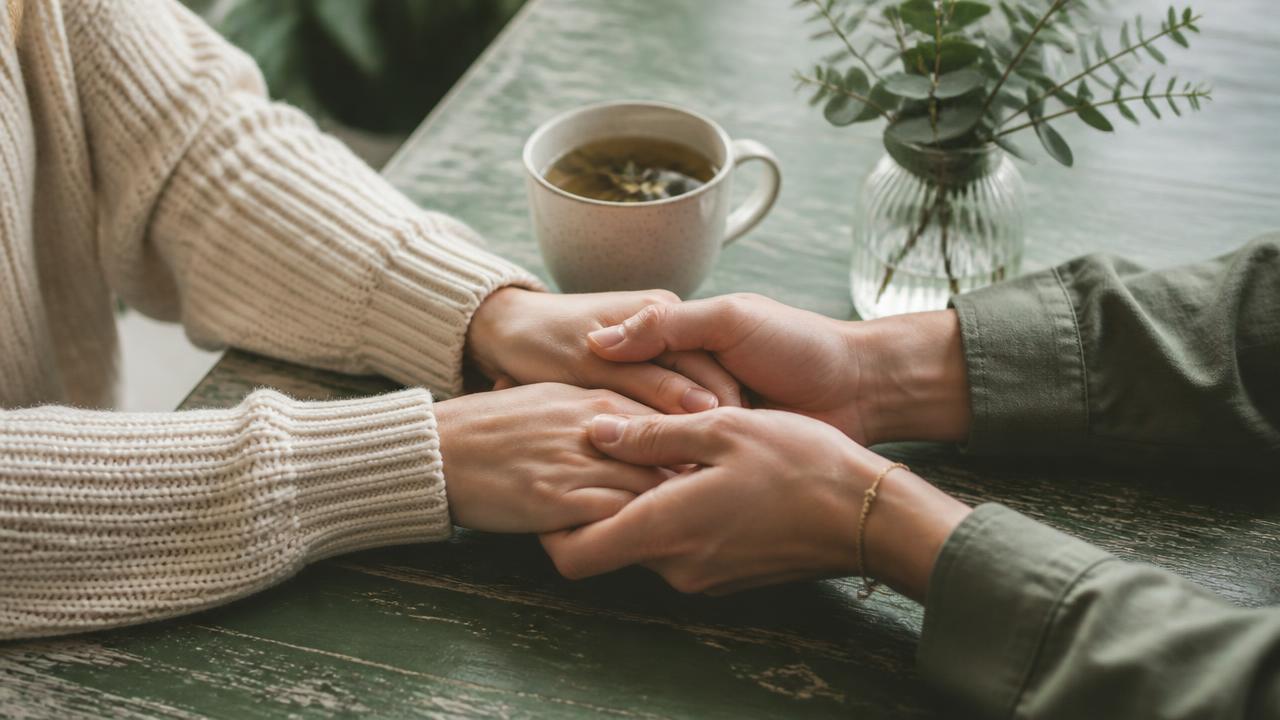
I've lost count of the clients who arrive with a spreadsheet of foods they've cut out: gluten, dairy, nightshades, histamine-rich foods, sugar, caffeine. They have audited every mouthful in search of the trigger for their flares. Far fewer have audited what they are living with: the relationship where they are always braced for criticism, the job where they never feel good enough, the family member whose moods dictate the temperature of every room. Food matters — I wouldn't do this work if I didn't believe that. But sometimes the most inflammatory thing in someone's life isn't on their plate. I've written before about how love and safe relationships can heal; this article looks more closely at the other side — what chronic stress and relational threat can do to the body.
What the evidence shows about emotional stress and inflammation
Stress isn't only a feeling. A meta-analysis of laboratory studies found that acute psychological stress — such as giving a speech or doing mental arithmetic under pressure — reliably raised circulating inflammatory markers including interleukin-6 (IL-6), with levels tending to peak an hour or two after the stressor (Steptoe et al., 2007; Marsland et al., 2017).
Relationships are one of the most powerful sources of that stress. In a well-known study, married couples were given small blister wounds and then asked to discuss a topic they disagreed about. Couples who were more hostile during the conflict showed larger increases in the inflammatory markers IL-6 and TNF-alpha than they did after a supportive discussion, and their wounds healed more slowly (Kiecolt-Glaser et al., 2005). How we fight — and how safe we feel with the people closest to us — is measurable in our blood.
Chronic stress may matter even more than acute stress. In one study, people under long-term stress developed glucocorticoid receptor resistance — their immune cells became less responsive to cortisol's normal anti-inflammatory signal (Cohen et al., 2012). Childhood adversity has also been linked with higher levels of inflammation in adulthood (Danese et al., 2007).
Your immune system doesn't only respond to what you eat. It responds to whether you feel safe.
Mast cells, histamine and the stress connection
Mast cells are immune cells that release histamine and other inflammatory chemicals. They are found in the gut, skin, airways and around nerves — and they respond to stress hormones. Corticotropin-releasing hormone (CRH), one of the first signals the brain sends in response to stress, can directly activate mast cells (Theoharides et al., 2004).
In a human study, the stress of preparing for public speaking increased gut permeability, and this effect appeared to depend on mast cells (Vanuytsel et al., 2014). For people with histamine intolerance, mast cell activation, IBS, eczema or endometriosis, this may help explain why flares can follow stressful periods even when nothing about their diet has changed. The research is still developing, so I see this as a plausible mechanism rather than a full explanation.
Why chronic threat keeps the body from healing
The nervous system is constantly scanning for safety and danger. One influential theory proposes that the body's default state is actually a stress response, which is only switched off when we perceive enough safety (Brosschot et al., 2018). In other words, it isn't only obvious threats that keep stress physiology running, but the absence of clear safety signals.
That helps explain why some of the most draining situations aren't dramatic. Walking on eggshells, feeling unseen, anticipating criticism, managing someone else's mood — these can keep the body on alert for hours or days. Research on worry and rumination shows that simply anticipating or replaying stressful events can prolong the body's stress responses long after the event itself (Brosschot et al., 2006). Loneliness — feeling unseen even among other people — is also associated with heightened stress physiology and poorer health (Hawkley & Cacioppo, 2010).
A body that never feels safe has fewer resources for digestion, repair and immune balance. That doesn't mean stress causes every symptom, but it can make healing harder.
Conflict isn't the problem — the capacity for repair is
I want to be clear about something: healthy relationships aren't conflict-free. Disagreement is normal and sometimes necessary. What seems to matter more is how conflict is handled and whether it can be repaired.
Relationship research has long suggested that the way couples manage conflict — including whether they make and accept attempts to repair — predicts relationship outcomes better than whether they argue at all (Gottman & Levenson, 2000). In child development, researchers describe the same pattern: everyday mismatches between parent and baby are normal, and it is the repeated experience of repair that builds security (Tronick & Gianino, 1986). And a meta-analysis found that higher marital quality was associated with better health outcomes (Robles et al., 2014).
A relationship where conflict happens but repair is reliable can feel safe. A relationship where conflict is rare but repair never happens — where you are punished with silence or a disagreement is never resolved — can keep the nervous system braced.
A safe relationship isn't one without conflict. It is one where repair is possible.
Signs your body may be carrying more than you think
These aren't diagnostic signs, and every one of them has other possible causes. But in clinic, they are patterns that make me want to ask gently about what someone is living with:
- Symptoms that flare predictably after time with a particular person, or before a particular kind of event.
- Clenching your jaw, holding your breath or tensing your shoulders without noticing.
- Digestion that changes depending on who you are eating with.
- Needing days to recover after family visits or certain meetings.
- Sleeping noticeably better when you are away from home or work.
- Feeling physically lighter when a particular relationship or situation ends.
Auditing what you are enduring
If you have audited your diet, try auditing your life with the same honesty. These questions aren't a diagnosis — they are a starting point:
- Where in my life do I feel I'm walking on eggshells?
- Who do I feel calmer around, and who do I feel braced around?
- Do my symptoms change after time with particular people, or in particular environments?
- When conflict happens, is there repair — or does it linger?
- Do I feel seen, or do I spend a lot of energy performing being okay?
- What would I need in order to feel safe enough to rest?
What can help
- Lean into supportive relationships. Social support is linked with healthier cardiovascular, immune and stress responses (Uchino, 2006).
- Practise slow breathing with a longer exhale. A systematic review found slow breathing techniques were associated with increased heart rate variability and feelings of calm (Zaccaro et al., 2018).
- Consider mindfulness. In a randomised trial, mindfulness meditation training was associated with reduced IL-6 in stressed adults (Creswell et al., 2016).
- Get support with relationships. Couples therapy, individual therapy or simply having a trusted person to talk to can help you set boundaries and practise repair.
- Keep the nutritional foundations: regular meals, protein, plenty of plants, omega-3 fats and good sleep support a resilient stress response — but they can't fully counteract chronic threat.
- Notice patterns without blaming yourself. Stress is one contributor among many, not a personal failing.
If you don't feel safe
If you are frightened of a partner or family member, or are experiencing emotional, physical, sexual or financial abuse, please reach out for support. In the UK, the National Domestic Abuse Helpline is free and available 24/7 on 0808 2000 247. In South Africa, the Gender-Based Violence Command Centre is available on 0800 428 428. In an emergency, contact your local emergency services.
Before you act on any of this
This article is for education and general information only. It isn't medical advice, it can't diagnose or treat any condition, and it doesn't replace a consultation with your own doctor or a qualified practitioner who knows your history. Please don't start, stop or change any medication, hormone or supplement because of something you've read here — take your questions to the person responsible for your care.
Stress is one possible contributor to inflammation and symptoms, not the hidden cause of every flare. New, worsening or unexplained symptoms always need medical assessment, and this article doesn't replace medical or psychological care.
References
- Brosschot, J.F., Gerin, W., & Thayer, J.F. (2006). The perseverative cognition hypothesis: a review of worry, prolonged stress-related physiological activation, and health. Journal of Psychosomatic Research, 60(2), 113–124.
- Brosschot, J.F., Verkuil, B., & Thayer, J.F. (2018). Generalized unsafety theory of stress: unsafe environments and conditions, and the default stress response. International Journal of Environmental Research and Public Health, 15(3), 464.
- Cohen, S., Janicki-Deverts, D., Doyle, W.J., et al. (2012). Chronic stress, glucocorticoid receptor resistance, inflammation, and disease risk. Proceedings of the National Academy of Sciences, 109(16), 5995–5999.
- Creswell, J.D., Taren, A.A., Lindsay, E.K., et al. (2016). Alterations in resting-state functional connectivity link mindfulness meditation with reduced interleukin-6: a randomized controlled trial. Biological Psychiatry, 80(1), 53–61.
- Danese, A., Pariante, C.M., Caspi, A., Taylor, A., & Poulton, R. (2007). Childhood maltreatment predicts adult inflammation in a life-course study. Proceedings of the National Academy of Sciences, 104(4), 1319–1324.
- Gottman, J.M., & Levenson, R.W. (2000). The timing of divorce: predicting when a couple will divorce over a 14-year period. Journal of Marriage and Family, 62(3), 737–745.
- Hawkley, L.C., & Cacioppo, J.T. (2010). Loneliness matters: a theoretical and empirical review of consequences and mechanisms. Annals of Behavioral Medicine, 40(2), 218–227.
- Kiecolt-Glaser, J.K., Loving, T.J., Stowell, J.R., et al. (2005). Hostile marital interactions, proinflammatory cytokine production, and wound healing. Archives of General Psychiatry, 62(12), 1377–1384.
- Marsland, A.L., Walsh, C., Lockwood, K., & John-Henderson, N.A. (2017). The effects of acute psychological stress on circulating and stimulated inflammatory markers: a systematic review and meta-analysis. Brain, Behavior, and Immunity, 64, 208–219.
- Robles, T.F., Slatcher, R.B., Trombello, J.M., & McGinn, M.M. (2014). Marital quality and health: a meta-analytic review. Psychological Bulletin, 140(1), 140–187.
- Steptoe, A., Hamer, M., & Chida, Y. (2007). The effects of acute psychological stress on circulating inflammatory factors in humans: a review and meta-analysis. Brain, Behavior, and Immunity, 21(7), 901–912.
- Theoharides, T.C., Donelan, J.M., Papadopoulou, N., et al. (2004). Mast cells as targets of corticotropin-releasing factor and related peptides. Trends in Pharmacological Sciences, 25(11), 563–568.
- Tronick, E.Z., & Gianino, A. (1986). Interactive mismatch and repair: challenges to the coping infant. Zero to Three, 6(3), 1–6.
- Uchino, B.N. (2006). Social support and health: a review of physiological processes potentially underlying links to disease outcomes. Journal of Behavioral Medicine, 29(4), 377–387.
- Vanuytsel, T., van Wanrooy, S., Vanheel, H., et al. (2014). Psychological stress and corticotropin-releasing hormone increase intestinal permeability in humans by a mast cell-dependent mechanism. Gut, 63(8), 1293–1299.
- Zaccaro, A., Piarulli, A., Laurino, M., et al. (2018). How breath-control can change your life: a systematic review on psycho-physiological correlates of slow breathing. Frontiers in Human Neuroscience, 12, 353.
The takeaway
We spend a lot of energy auditing our diets for inflammatory triggers and very little auditing what we endure. Research shows emotional stress raises inflammatory markers such as IL-6 and TNF-alpha, hostile conflict can slow wound healing, chronic stress can make immune cells less responsive to cortisol, and stress hormones can activate mast cells and increase gut permeability. Chronic threat — walking on eggshells, feeling unseen, anticipating criticism — can keep the nervous system from feeling safe enough to rest and repair. Conflict itself isn't the problem; the capacity for repair is. Stress is one contributor among many, not the hidden cause of every flare, so keep medical care and good nutrition in place while you look honestly at the relationships and environments your body is living in.
Monthly newsletter
Liked this? Get the monthly note.
One email a month with new research made readable, plus practical nutrition and habit notes from the Kitchen Table.