Gut motility: the boring thing that changes everything
Why transit time, bile flow and the migrating motor complex matter more than any trendy supplement.
Written by Amy Morris, BSc (Hons) Nutritional Therapy — Functional Nutritional Therapist
Gut motility doesn't trend on Instagram. It does, however, decide whether the rest of your gut work pays off. You can take the best probiotic, eat all the fibre, swallow every shiny supplement on the wellness shelf — if your motility is sluggish, none of it lands. Transit time, bile flow and the migrating motor complex are the foundational machinery, and most people who think they have 'IBS' actually have one of these three jammed.
Transit time — the first measurement worth taking
Transit time is how long food takes from mouth to toilet. Optimal is 18–24 hours. Faster than 14 hours and you're not absorbing nutrients properly; slower than 36 hours and oestrogens, bile and bacterial waste are recirculating in the gut, fuelling SIBO, hormonal symptoms and constipation.
Test it at home: eat a tablespoon of whole sesame seeds, sweetcorn, or activated charcoal capsules with a meal. Note the time you finish eating, and the time you see them in the toilet. That's your transit time. The first time most people do this, they're horrified — 60–96 hours is common (Lewis & Heaton, Scand J Gastroenterol 1997).
The migrating motor complex — your gut's nightly clean-up crew
Between meals, the small intestine produces a wave of contractions every 90–120 minutes that sweeps bacteria and debris downstream. This is the migrating motor complex (MMC). It only runs in the fasted state — eating anything, even a handful of nuts or a splash of milk in coffee, abolishes it (Vantrappen et al., J Clin Invest 1977).
Constant grazing is the single most under-recognised driver of small intestinal bacterial overgrowth (SIBO). The MMC needs a clear 3–4 hour fasting window between meals and ideally 12 hours overnight. People who 'eat clean but graze all day' often have far worse gut function than people who eat three structured meals.
Bile flow — the most undervalued digestive secretion
Bile does three critical jobs: it emulsifies fats so they can be absorbed, it carries fat-soluble vitamins (A, D, E, K), and it acts as the body's main excretion route for cholesterol, hormones, heavy metals and conjugated toxins. Sluggish bile flow shows up as nausea after fatty meals, pale or floating stools, gallbladder pain referred to the right shoulder, and a sallow complexion (Boyer, Compr Physiol 2013).
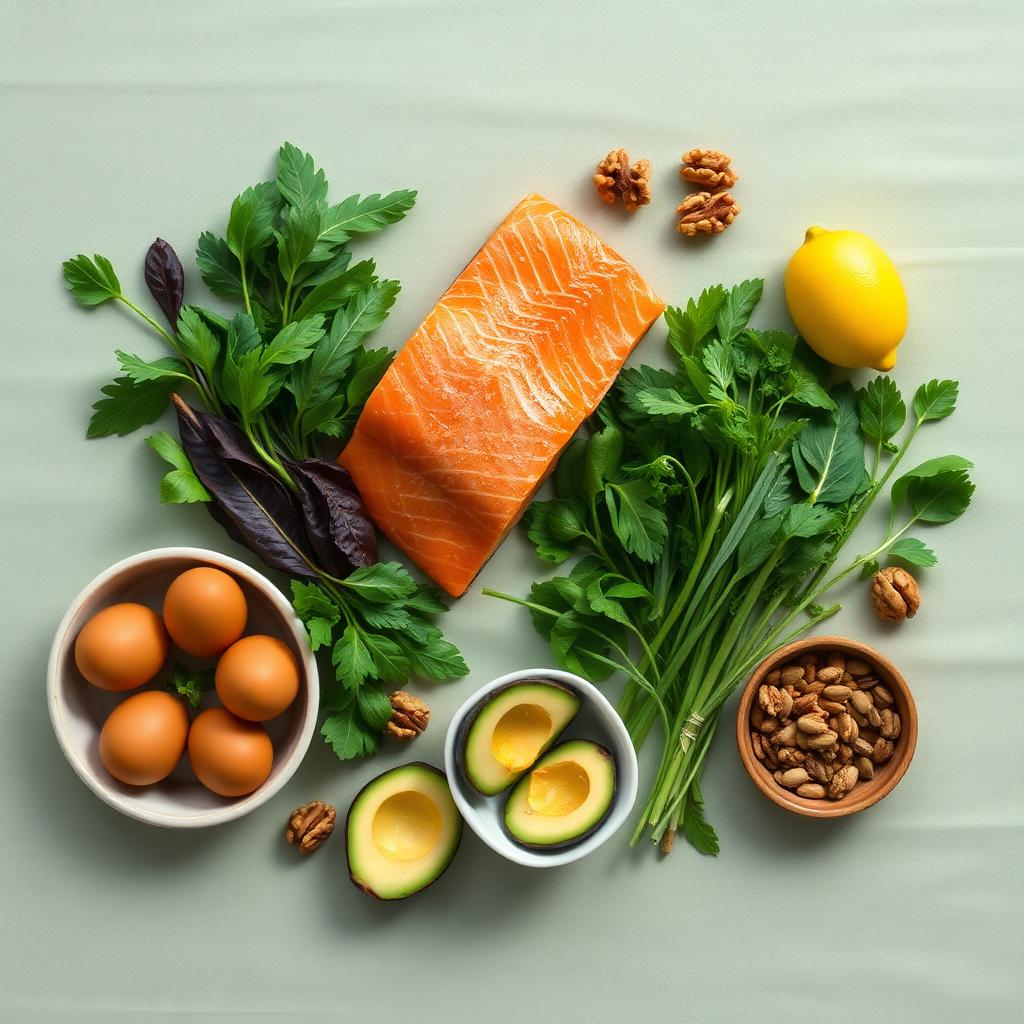
Bile flow drops with low stomach acid, low-fat dieting, gallbladder removal, oral contraceptives and chronic stress. It is supported by bitter foods (rocket, radicchio, dandelion, artichoke), adequate dietary fat, taurine, glycine, choline, ox bile in supplement form when indicated, and warm fluids on waking.
Why fibre alone won't fix it
Adding more fibre to a sluggish gut is like adding more cars to a traffic jam. If motility is the issue, fibre makes the bloating worse, not better. Motility has to be restored first — through meal spacing, vagal nerve work, bile support, magnesium, and ruling out hypothyroidism (the most common medical cause of constipation, often missed).
Practical motility protocol
- Three meals a day, no snacks, 4 hours apart minimum.
- 12-hour overnight fast (e.g. 8 p.m. to 8 a.m.).
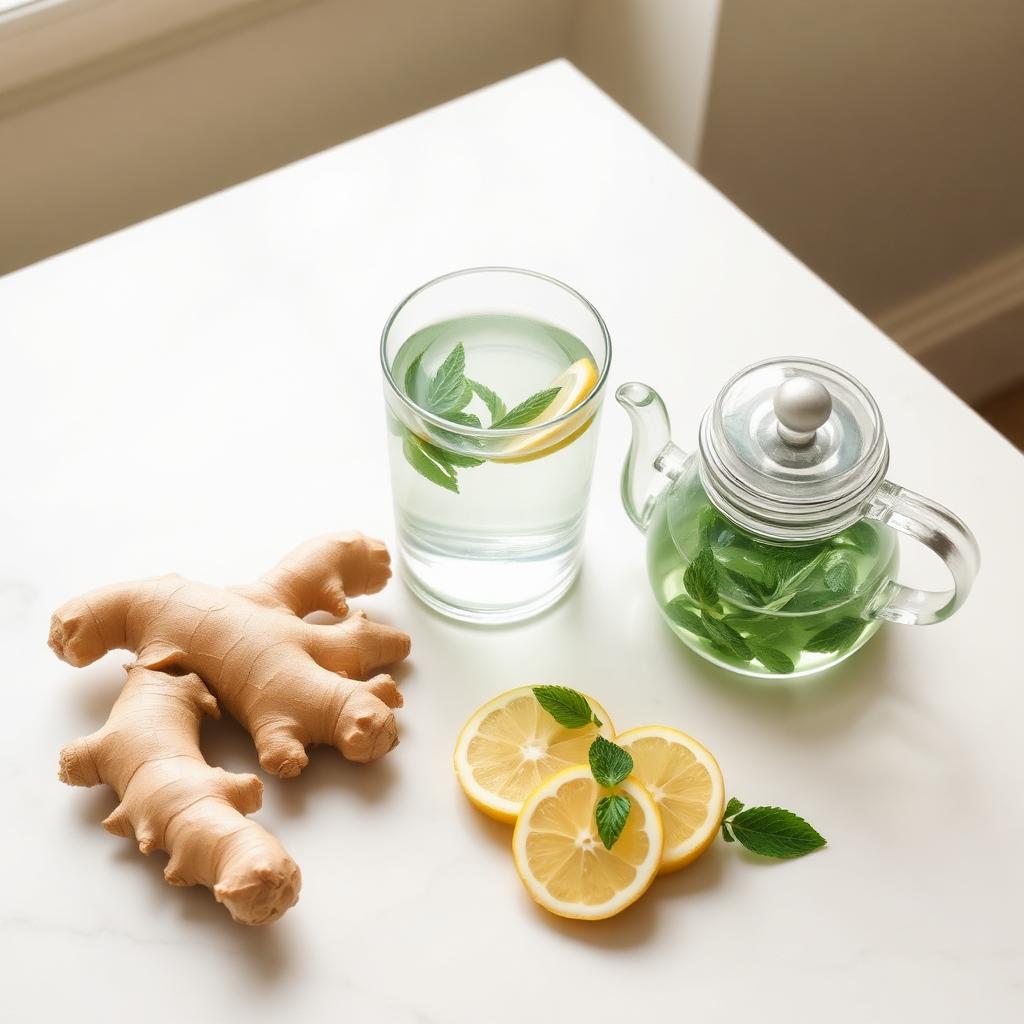
- 500 ml warm water on waking — stimulates the gastrocolic reflex.
- Magnesium citrate 200–400 mg at night for chronic constipation.
- Bitter greens or a bitter tincture 15 minutes before main meals.
- 10-minute walk after lunch and dinner — increases gastric emptying by ~30% (Franke et al., Sleep Med Rev 2008; Hosseini-Asl et al., Saudi J Gastroenterol 2018).
- Vagal tone work: humming, gargling, cold-water face splash, diaphragmatic breathing.
When to suspect more than habits
Persistent constipation despite the above warrants thyroid panel (TSH, free T3, free T4, antibodies), serum calcium, magnesium RBC, and consideration of SIBO breath testing or pelvic floor assessment. In women, the pelvic floor is implicated in roughly 50% of chronic constipation cases and rarely tested (Bharucha et al., Gastroenterology 2013). Endometriosis on the bowel surface mimics IBS and is repeatedly missed for years.
A boring gut is the goal. No bloating, no thinking about it, one easy bowel movement a day. Get the motility right and three-quarters of your symptoms quietly disappear.
References
- Lewis SJ, Heaton KW. Stool form scale as a useful guide to intestinal transit time. Scand J Gastroenterol 1997;32(9):920–924.
- Vantrappen G et al. The interdigestive motor complex of normal subjects and patients with bacterial overgrowth of the small intestine. J Clin Invest 1977;59(6):1158–1166.
- Boyer JL. Bile formation and secretion. Compr Physiol 2013;3(3):1035–1078.
- Franke A et al. Postprandial walking but not consumption of alcoholic digestifs or espresso accelerates gastric emptying in healthy volunteers. J Gastrointestin Liver Dis 2008;17(1):27–31.
- Hosseini-Asl MK et al. The effect of a short-term physical activity after meals on gastrointestinal symptoms in individuals with functional abdominal bloating. Saudi J Gastroenterol 2018.
- Bharucha AE et al. American Gastroenterological Association medical position statement on constipation. Gastroenterology 2013;144(1):211–217.
The takeaway
Before you spend another pound on a probiotic, fix the plumbing: space meals, support bile, restore the MMC, walk after eating, and rule out a slow thyroid. Motility is the foundation everything else depends on.
Monthly newsletter
Liked this? Get the monthly note.
One email a month with new research made readable, plus practical nutrition and habit notes from the Kitchen Table.