Dysautonomia: supporting a nervous system that's lost its rhythm
When the autonomic nervous system misfires, you feel it everywhere. The neurological piece is the one most often missed — and the one that responds best to targeted support.
Written by Amy Morris, BSc (Hons) Nutritional Therapy — Functional Nutritional Therapist

Dysautonomia is the umbrella term for a misfiring autonomic nervous system — the unconscious system that regulates heart rate, blood pressure, digestion, temperature and sweating. When it loses its rhythm, you feel it everywhere: dizziness on standing, racing heart, blood pooling in the legs, brain fog, hot-and-cold dysregulation, anxiety with no obvious trigger, GI chaos. POTS (postural orthostatic tachycardia syndrome) is the form most people have heard of, but the spectrum is wider, and rates have risen sharply post-COVID. Here's how to think about supporting it.
What dysautonomia actually is
The autonomic nervous system has two arms: sympathetic ('fight or flight') and parasympathetic ('rest and digest'). They should balance each other across the day, with vagal (parasympathetic) tone dominating at rest. In dysautonomia, that balance breaks down — most commonly with sympathetic over-activation and parasympathetic under-recruitment (Goldstein, Clin Auton Res 2020).
POTS is defined by a heart-rate rise of ≥30 bpm within 10 minutes of standing (≥40 in adolescents), without a drop in blood pressure (Sheldon et al., Heart Rhythm 2015). Other forms include neurocardiogenic syncope, orthostatic hypotension, inappropriate sinus tachycardia, and the broader category of small-fibre autonomic neuropathy.
Why it's risen so sharply
Post-COVID POTS is now well documented; a 2022 review estimated 2–14% of post-acute COVID patients meet POTS criteria (Blitshteyn & Whitelaw, Immunol Res 2021). EBV reactivation, mast cell activation syndrome (MCAS), hypermobility spectrum disorders/EDS, and chronic Lyme are also strongly associated. It very often presents in young women in their 20s and 30s, and is repeatedly dismissed as 'anxiety' for years.
The neurological piece most often missed
Dysautonomia is fundamentally a nervous-system disorder, not a cardiovascular one. The heart-rate symptoms are downstream. Treating the heart rate without addressing vagal tone, central sensitisation, sleep architecture and trauma physiology is treating the smoke alarm, not the fire. Polyvagal-informed therapy, somatic work, and graded nervous-system retraining (programmes like the Gupta or DNRS protocols) have growing evidence in chronic dysautonomia and related conditions (Schubert et al., Pain Med 2019).
Foundational support — start here
- Salt and fluid: 3–10 g sodium and 2–3 L water daily under medical guidance dramatically improves blood volume and orthostatic tolerance (Raj, Circulation 2013).
- Compression: 20–30 mmHg waist-high stockings or an abdominal binder. The abdomen, not the legs, is where most blood pools.
- Recumbent exercise: rowing, recumbent bike, swimming. Levine's POTS protocol reconditions the cardiovascular system without triggering orthostatic crash (Fu et al., Hypertension 2010).
- Head-of-bed elevation by 10–15 cm — improves overnight blood volume regulation.
- Small frequent meals — large meals divert blood to the gut and worsen postprandial dysautonomia.
Targeted nutrition
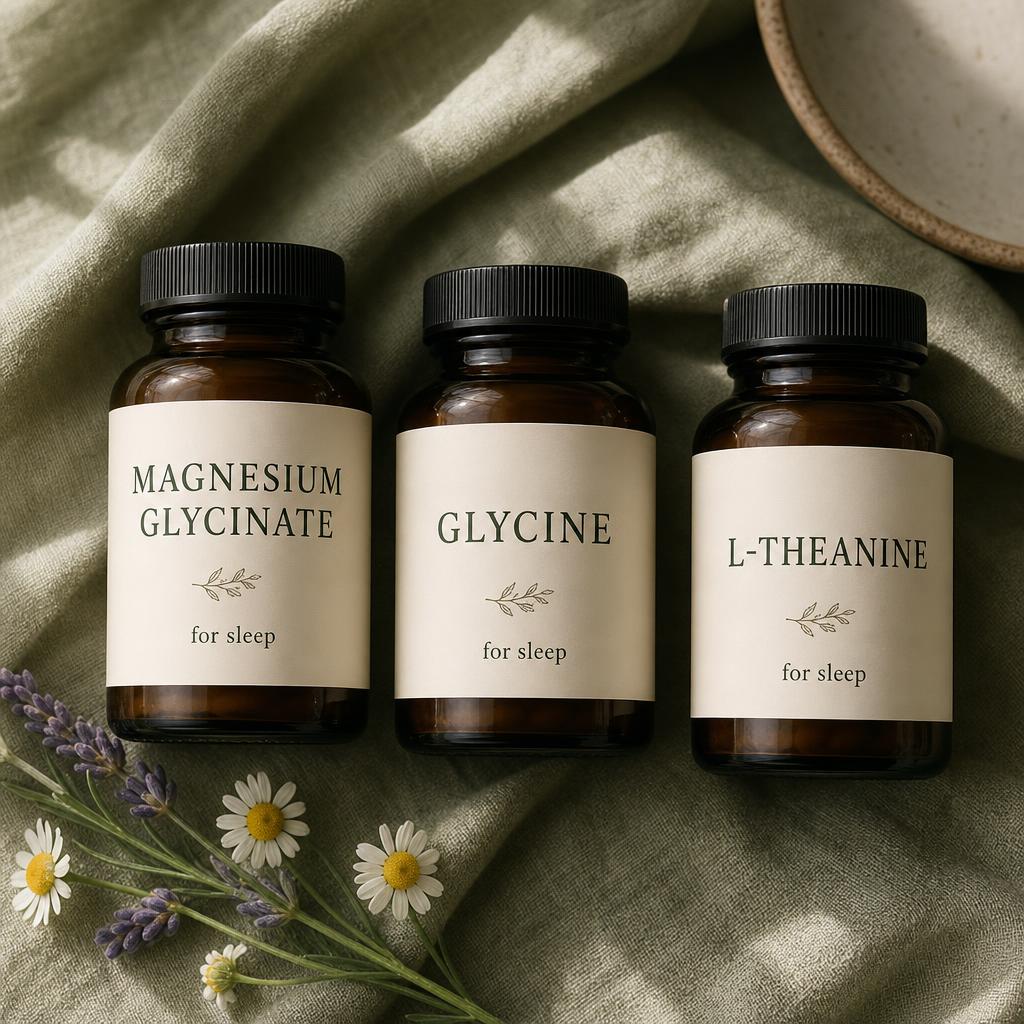
- Magnesium glycinate 300–400 mg — supports parasympathetic tone and sleep.
- Electrolyte blends with sodium, potassium and a little glucose to drive fluid into cells (LMNT, Buoy, homemade with sea salt).
- Iron studies — ferritin under 50 worsens POTS symptoms in many women; treat to ferritin 75+.
- B-vitamin complex including methylated B12 and folate — supports nervous-system function.
- Omega-3 (EPA-DHA 2 g) — improves heart-rate variability, a direct proxy for vagal tone (Christensen et al., Am J Clin Nutr 1999).
- Coenzyme Q10 200–300 mg — mitochondrial support, often low in dysautonomia.
Vagal nerve work — the daily lever
Vagal tone is the single most modifiable factor in dysautonomia and is measurable via heart-rate variability (HRV). Daily practices that raise HRV over weeks include:
- Slow diaphragmatic breathing at 5.5 breaths/minute for 10 minutes (Lehrer & Gevirtz, Front Psychol 2014).
- Humming, singing, gargling — directly stimulate the vagus nerve through the throat.
- Cold-water face immersion — triggers the dive reflex, a powerful vagal activator.
- Yoga nidra or non-sleep deep rest 20 minutes daily.
- Time in nature, prioritised over the gym on bad days.
Things that make it worse
- Caffeine in excess — worsens tachycardia in most.
- Alcohol — vasodilates and dehydrates, classic trigger.
- Standing still for long periods (showers, queues) without leg movement.
- Hot environments (saunas, hot baths) early in treatment — heat collapses orthostatic tolerance.
- Crash-and-rest cycles — pushing through, then crashing for days. Pacing is the foundational behavioural skill.
When to push for more workup
If foundational measures aren't enough, ask for: a tilt-table test, 24-hour Holter, autonomic function testing, tryptase and 24-hour urine N-methylhistamine for MCAS screening, EDS screen (Beighton score), full thyroid panel, vitamin and mineral panel, and Lyme/co-infection workup if relevant exposure history. POTS clinics exist in both the UK (Royal London, NHL) and South Africa (private cardiology with autonomic interest) — seek one out.
Dysautonomia is real, measurable and manageable. It is not anxiety in a different costume — though anxiety usually rides alongside it, because a body that can't trust its own physiology is, understandably, anxious.
References
- Goldstein DS. Principles of Autonomic Medicine — an integrated review. Clin Auton Res 2020.
- Sheldon RS et al. 2015 Heart Rhythm Society expert consensus statement on the diagnosis and treatment of postural tachycardia syndrome. Heart Rhythm 2015;12(6):e41–e63.
- Blitshteyn S, Whitelaw S. Postural orthostatic tachycardia syndrome (POTS) and other autonomic disorders after COVID-19 infection. Immunol Res 2021;69(2):205–211.
- Schubert C et al. Body-mind interventions in chronic conditions. Pain Med 2019.
- Raj SR. Postural tachycardia syndrome (POTS). Circulation 2013;127(23):2336–2342.
- Fu Q et al. Cardiac origins of the postural orthostatic tachycardia syndrome. Hypertension 2010;55(2):425–432.
- Christensen JH et al. n-3 fatty acids and the risk of sudden cardiac death. Am J Clin Nutr 1999;69(2):331–334.
- Lehrer PM, Gevirtz R. Heart rate variability biofeedback: how and why does it work? Front Psychol 2014;5:756.
The takeaway
Salt, fluids, compression, recumbent reconditioning, daily vagal work, magnesium and omega-3, and a clinician who knows the territory. The nervous-system piece is the one most often missed and the one that moves the needle most.
Monthly newsletter
Liked this? Get the monthly note.
One email a month with new research made readable, plus practical nutrition and habit notes from the Kitchen Table.