The alcohol health myth is over: what the new research actually says about your nightly glass of wine
For thirty years we were told a daily drink was good for the heart. Better-designed research has quietly dismantled that story — even one drink a day now links to higher risk of cancer, cardiovascular disease, liver damage and early death. Here's what changed, why the old studies were wrong, and how to think about alcohol without the guilt spiral.
Written by Amy Morris, BSc (Hons) Nutritional Therapy — Functional Nutritional Therapist
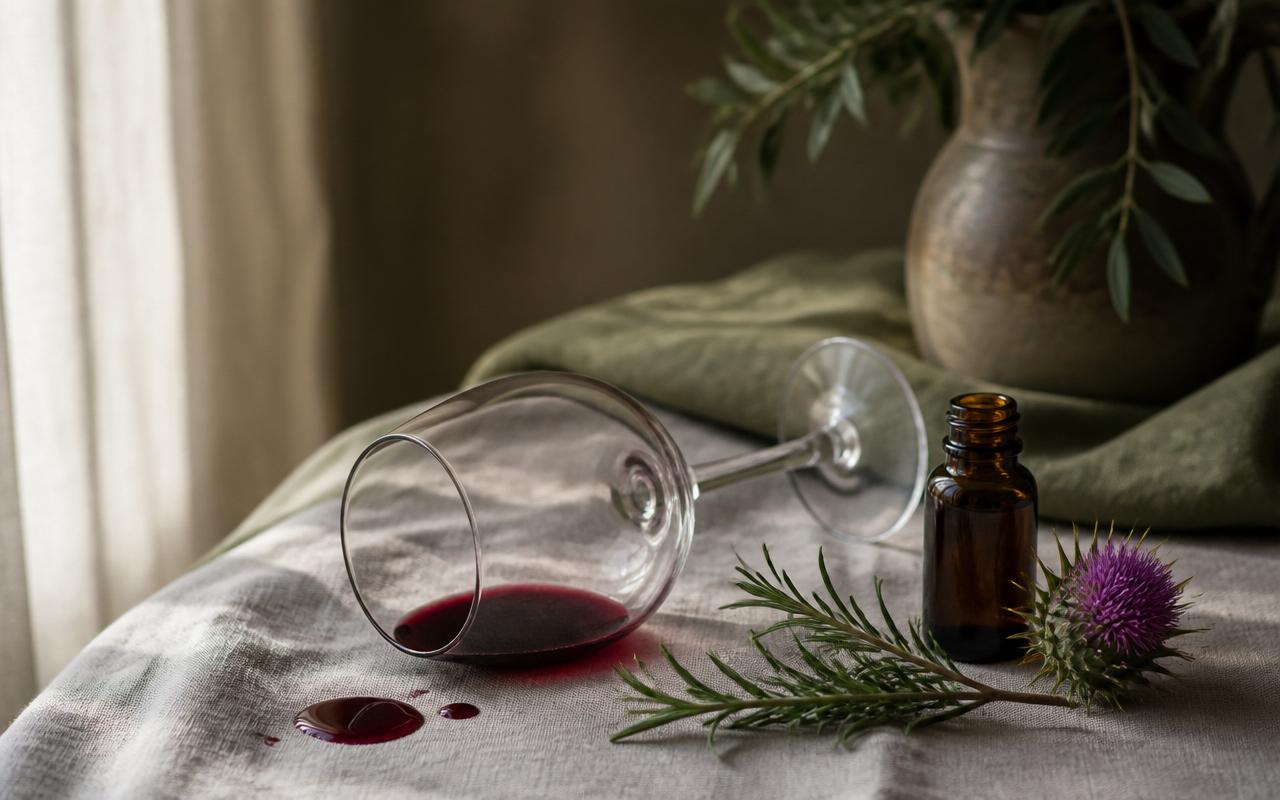
For nearly three decades, the media, wellness industry and a surprising number of doctors repeated the same comforting line: a glass of red wine a day is good for you. It felt intuitive, French, civilised — and it was based on studies so methodologically flawed that any honest researcher today would refuse to build a public health message on them. Newer, better-designed trials have uncorked a very different truth: even one drink a day nudges the needle on cancer, cardiovascular disease, liver damage and all-cause mortality. This isn't a moral panic. It's what happens when the evidence base grows up.
Where the 'red wine is good for you' story came from
The French paradox — the observation that French people ate cheese and butter, drank wine, and had lower rates of heart disease than expected — launched a thousand marketing campaigns in the 1990s. Add in observational studies showing that light drinkers seemed healthier than teetotallers, and a comfortable narrative was born (Renaud & de Lorgeril, Lancet 1992).
The problem: those observational studies had a hidden flaw called the 'sick quitter' effect. Many of the non-drinkers they compared against had actually stopped drinking because they were already unwell. Lifelong abstainers, when properly separated out, looked just as healthy — sometimes healthier — than moderate drinkers (Stockwell et al., J Stud Alcohol Drugs 2016; Zhao et al., JAMA Netw Open 2023).
What the newer, better-designed research shows
Once researchers used Mendelian randomisation (which uses genetic variation to sidestep the sick-quitter bias), pooled meta-analyses that separated true lifetime abstainers, and looked at cancer endpoints rather than only cardiovascular ones, the picture flipped.
- Cancer: alcohol is a Group 1 carcinogen (the same category as tobacco and asbestos). Even light drinking — under one drink a day — measurably raises the risk of breast, colorectal, oesophageal, liver and mouth cancers (IARC 2023; Rumgay et al., Lancet Oncol 2021).
- Cardiovascular disease: the supposed protective effect largely vanishes in genetically informed studies. Any dose above roughly seven drinks per week is linked to higher blood pressure, atrial fibrillation and stroke risk (Biddinger et al., JAMA Netw Open 2022).
- Liver: fatty liver, fibrosis and cirrhosis rise in a dose-dependent way, and there is no threshold below which the liver is provably safe (Åberg et al., Hepatology 2020).
- All-cause mortality: the large 2023 meta-analysis of 107 studies found no significant reduction in death risk at any level of drinking — the old 'J-shaped curve' was an artefact of poor methodology (Zhao et al., JAMA Netw Open 2023).
- Brain: even moderate intake is linked to reduced grey matter volume and accelerated brain ageing (Topiwala et al., Nature Communications 2022).
Why women should pay particular attention
Women metabolise alcohol differently. Lower body water content, less gastric alcohol dehydrogenase and cyclical fluctuations in oestrogen mean that the same drink produces a higher blood alcohol concentration in a woman than a man. That translates into disproportionately higher risk at lower doses, particularly for breast cancer — where the risk begins to climb from as little as one drink a day (Chen et al., JAMA 2011; WHO 2023).
Alcohol also raises circulating oestrogen and disrupts oestrogen clearance through the liver's phase 1 and phase 2 detoxification pathways — which matters if you already carry an oestrogen-dominant load (endometriosis, fibroids, PMDD, perimenopause). It fragments REM sleep, spikes cortisol overnight, and feeds the anxiety-poor-sleep-more-wine loop that so many women describe in their 30s and 40s.
The healthiest amount of alcohol for long-term health is zero. That doesn't mean you have to drink zero — it means the old story that a glass a day was actively good for you is no longer supported by the evidence.
How to think about this without spiralling into all-or-nothing
This is nuance, not prohibition. The dose that raises risk meaningfully for most healthy adults is habitual, daily drinking — and the risk is graded, not binary. A wedding, a birthday, a Sunday roast with a glass of wine is not the health catastrophe the internet sometimes makes it sound.
What has genuinely changed is that we can no longer pretend a nightly drink is a wellness practice. If you drink daily, the most useful reframe is to make alcohol occasional again — something you actively choose rather than something the day defaults you into.
- Audit honestly: track a normal fortnight without changing anything. Most people underestimate their intake by 30–50%.
- Uncouple alcohol from your wind-down: it is the single most common self-prescribed sleep aid and one of the most disruptive to REM and deep sleep (Ebrahim et al., Alcohol Clin Exp Res 2013).
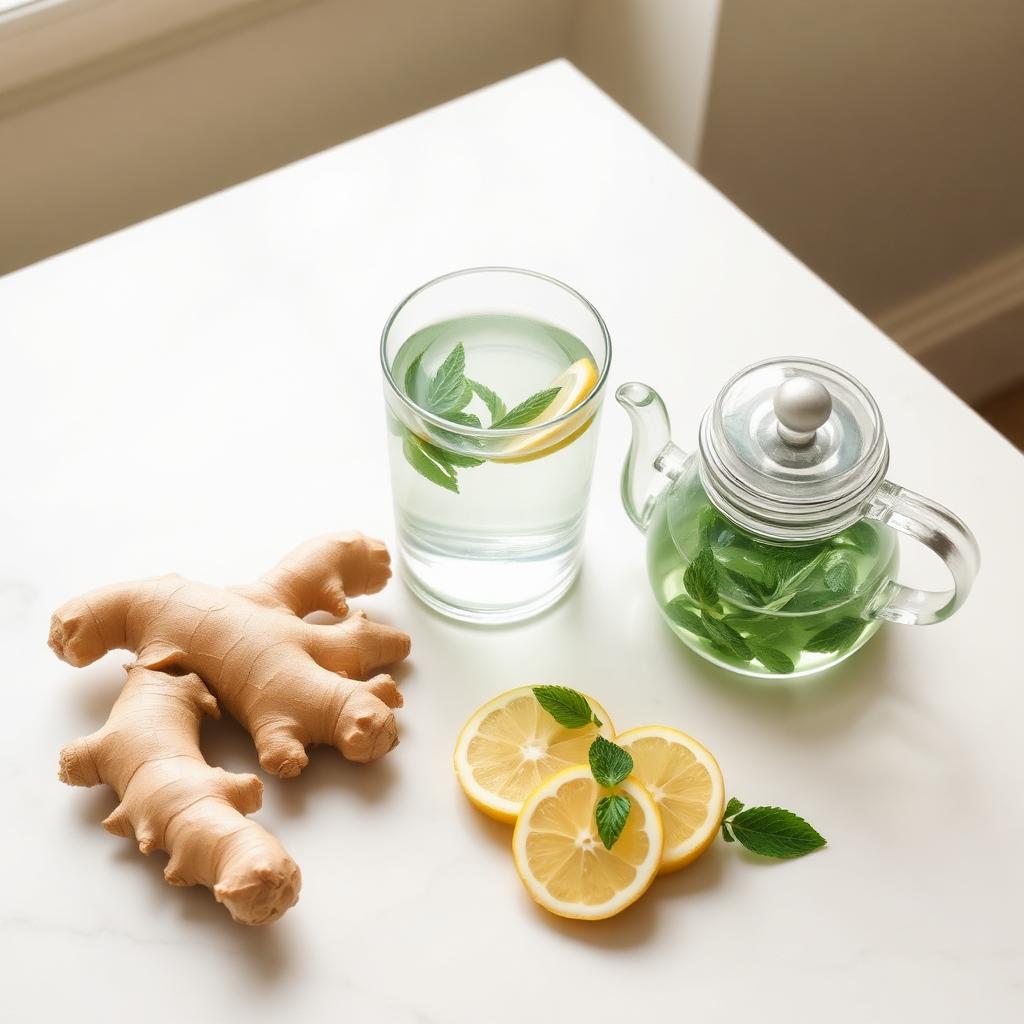
- Rebuild the ritual, not the substance: the reason a glass of wine 'works' at 6pm is the pause, the temperature of the glass, the sensory shift out of work mode. A cold sparkling water with lime and bitters, a proper mocktail, or a warm magnesium drink can hold the same nervous-system function.
- Notice the two-week test: most women who cut alcohol for a fortnight report deeper sleep, calmer mornings, less anxiety, clearer skin and easier weight regulation. That's not placebo — that's your liver, HPA axis and gut lining getting a break.
- If you drink to cope, treat that as the actual signal. Anxiety, unprocessed grief, chronic overwhelm and perimenopausal mood shifts respond far better to nervous-system work, therapy and (where appropriate) medical support than to a nightly depressant.
What to do if you want to keep drinking sometimes
If occasional alcohol stays in your life, a few functional-medicine basics reduce the collateral damage — without pretending they neutralise it.
- Eat first. Alcohol on an empty stomach spikes blood sugar and hits the liver harder.
- Hydrate matched: a full glass of water per drink genuinely mitigates the next-day inflammation and sleep fragmentation.
- Prioritise B vitamins, magnesium and glycine in the days around drinking — all are depleted by alcohol metabolism.
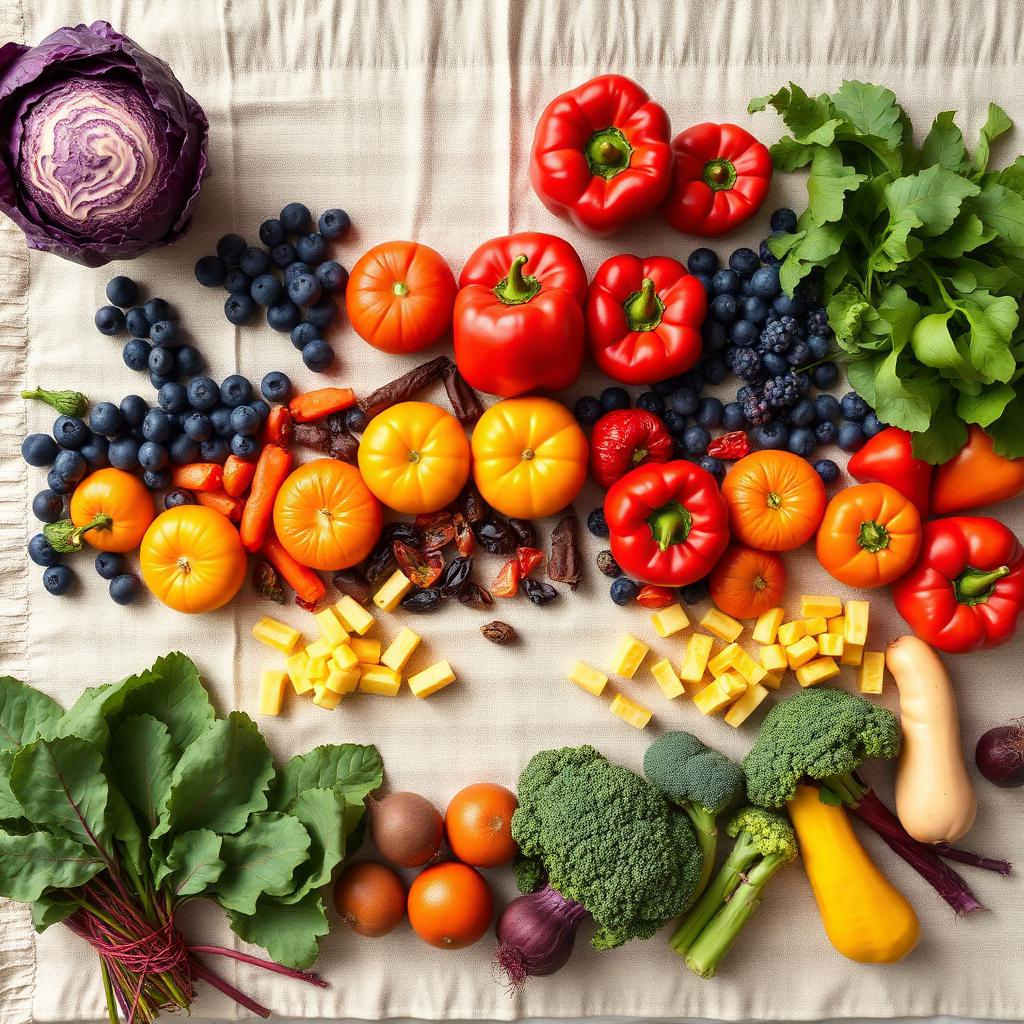
- Support phase 2 liver clearance with cruciferous vegetables, garlic, onions and adequate protein (glycine, glutamine, cysteine are the amino acid backbone of glutathione conjugation).
- Give yourself alcohol-free stretches long enough for the liver to reset — at least three or four consecutive days a week is a reasonable floor for most healthy adults.
References
- Renaud S, de Lorgeril M. Wine, alcohol, platelets, and the French paradox for coronary heart disease. Lancet. 1992;339(8808):1523–1526.
- Stockwell T, Zhao J, Panwar S, et al. Do 'moderate' drinkers have reduced mortality risk? A systematic review and meta-analysis. J Stud Alcohol Drugs. 2016;77(2):185–198.
- Zhao J, Stockwell T, Naimi T, et al. Association between daily alcohol intake and risk of all-cause mortality: a systematic review and meta-analyses. JAMA Netw Open. 2023;6(3):e236185.
- International Agency for Research on Cancer (IARC). Alcohol consumption and ethyl carbamate. IARC Monographs, Vol. 96/100E; updated statements 2023.
- Rumgay H, Shield K, Charvat H, et al. Global burden of cancer in 2020 attributable to alcohol consumption. Lancet Oncol. 2021;22(8):1071–1080.
- Biddinger KJ, Emdin CA, Haas ME, et al. Association of habitual alcohol intake with risk of cardiovascular disease. JAMA Netw Open. 2022;5(3):e223849.
- Åberg F, Puukka P, Salomaa V, et al. Risks of light and moderate alcohol use in fatty liver disease. Hepatology. 2020;71(3):835–848.
- Topiwala A, Ebmeier KP, Maullin-Sapey T, Nichols TE. Alcohol consumption and MRI markers of brain structure and function. Nat Commun. 2022;13:1175.
- Chen WY, Rosner B, Hankinson SE, Colditz GA, Willett WC. Moderate alcohol consumption during adult life, drinking patterns, and breast cancer risk. JAMA. 2011;306(17):1884–1890.
- World Health Organization. No level of alcohol consumption is safe for our health. WHO Regional Office for Europe statement, 2023.
- Ebrahim IO, Shapiro CM, Williams AJ, Fenwick PB. Alcohol and sleep I: effects on normal sleep. Alcohol Clin Exp Res. 2013;37(4):539–549.
The takeaway
The evidence has moved. A daily drink is not heart-protective, is not stress-relief in any meaningful sense, and does carry real, dose-dependent risk — especially for women. You don't have to become teetotal to take this seriously. You just have to stop treating alcohol as a wellness tool, and start treating it as what it is: an occasional, optional pleasure with a cost worth knowing.
Monthly newsletter
Liked this? Get the monthly note.
One email a month with new research made readable, plus practical nutrition and habit notes from the Kitchen Table.